
InstrumentsThe chromatic harmonica can move from a clear melodic line to a soft, breath-shaped phrase. Learn how its slide, articulation, and placement in an ensemble affect what you hear.
Read article · 3 min↗
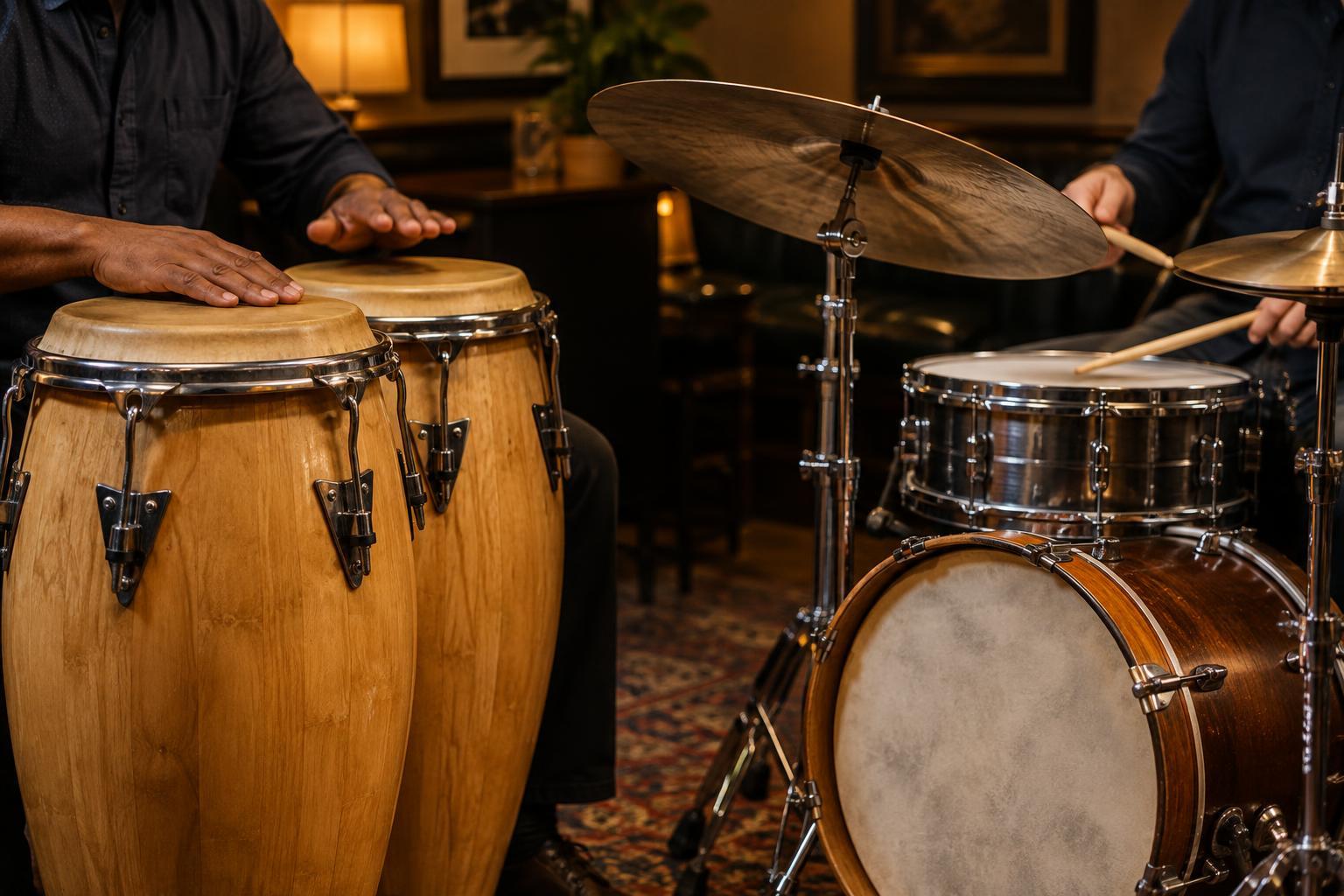
InstrumentsCongas and the drum kit can share a rhythm section without doing the same job. Learn how their sounds, patterns, and interactions shape a Latin jazz groove—and what to listen for when both are playing.
Read article · 4 min↗
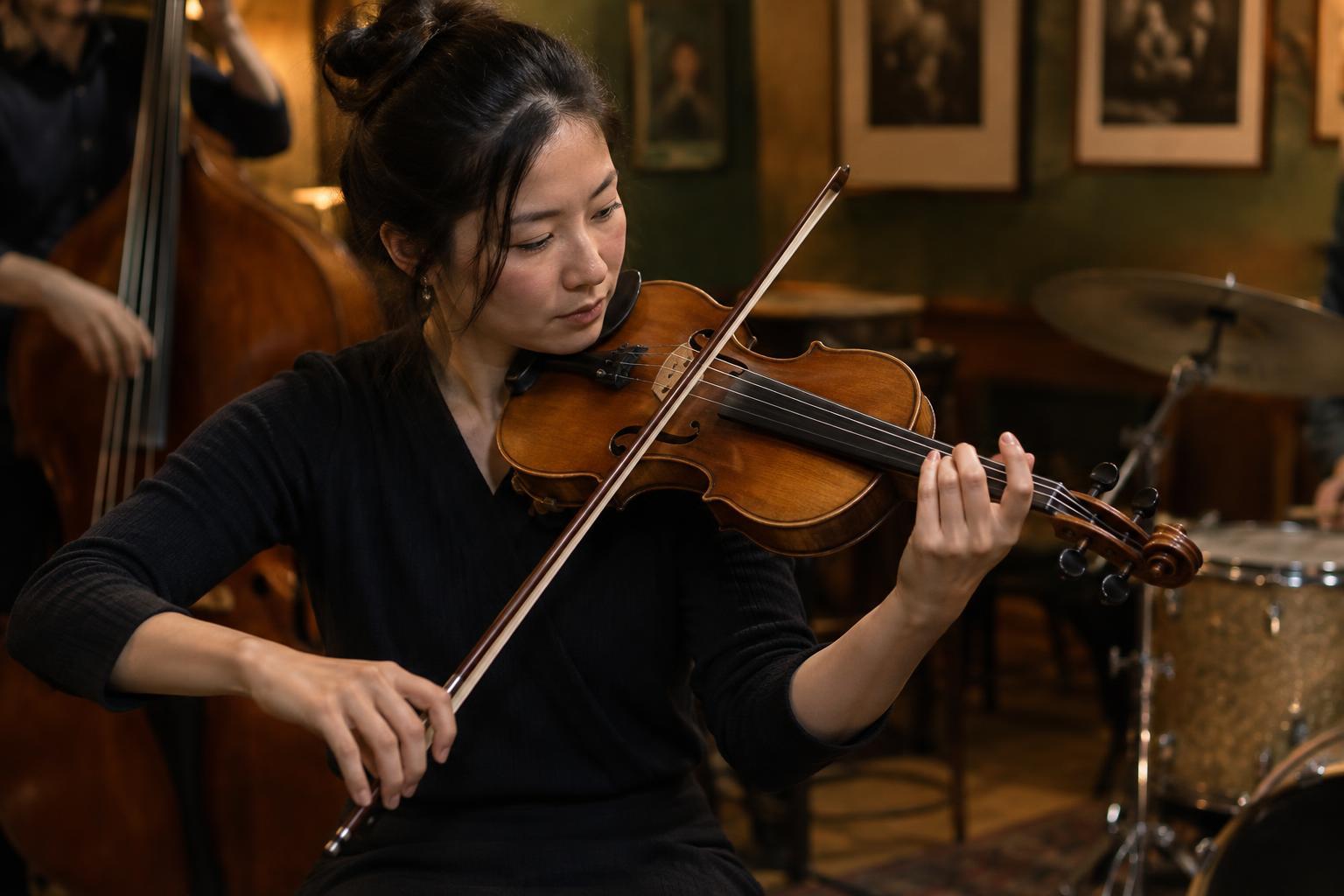
InstrumentsA jazz violinist can sustain a note with the bow or pluck it for a short, pointed sound. Learn how these two approaches shape phrasing, rhythm and a violinist’s place in the ensemble.
Read article · 4 min↗
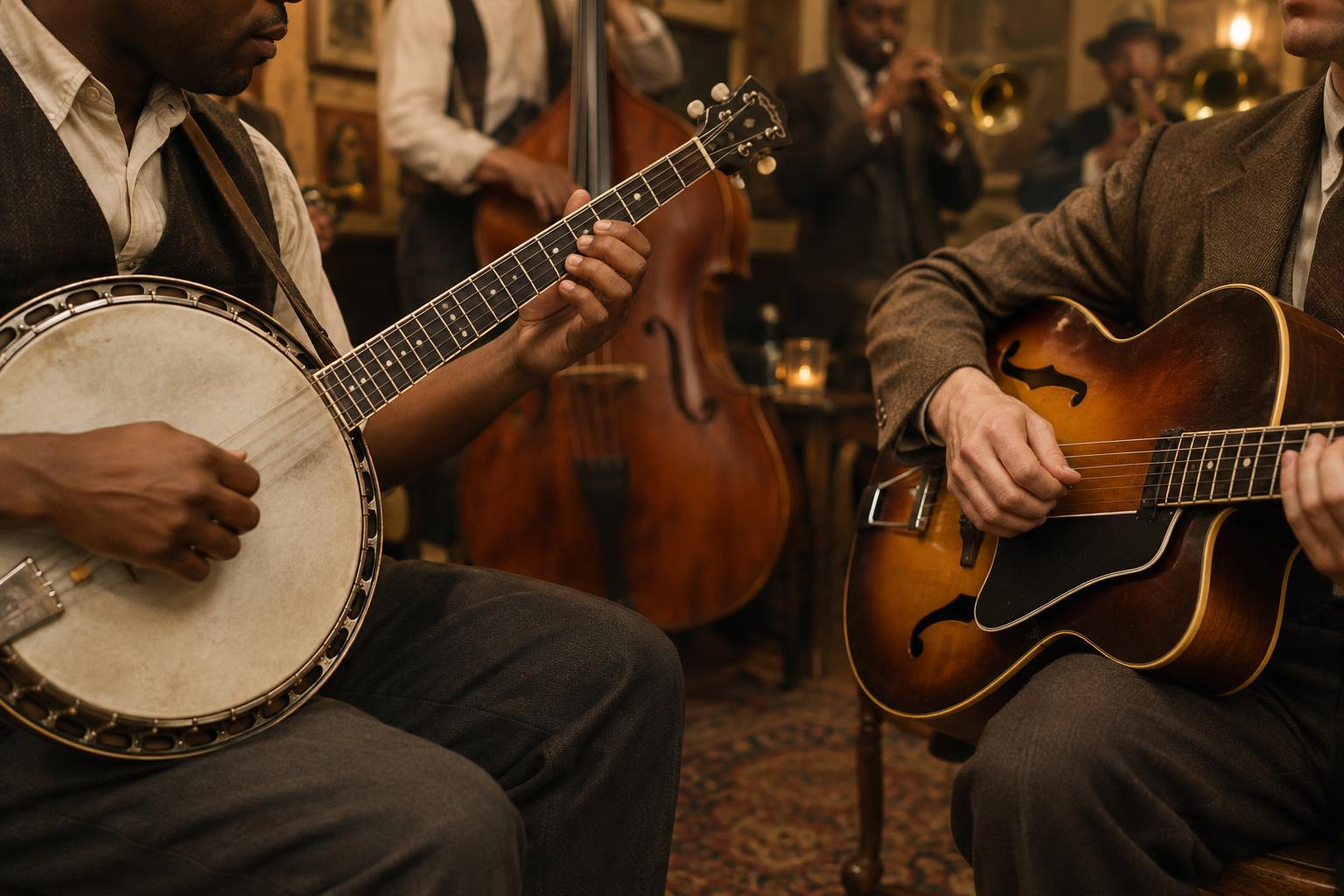
InstrumentsWhy does a banjo cut through an early jazz ensemble while a guitar often blends in? Compare their sound, playing techniques and changing roles in the rhythm section, then try a few simple listening cues.
Read article · 4 min↗
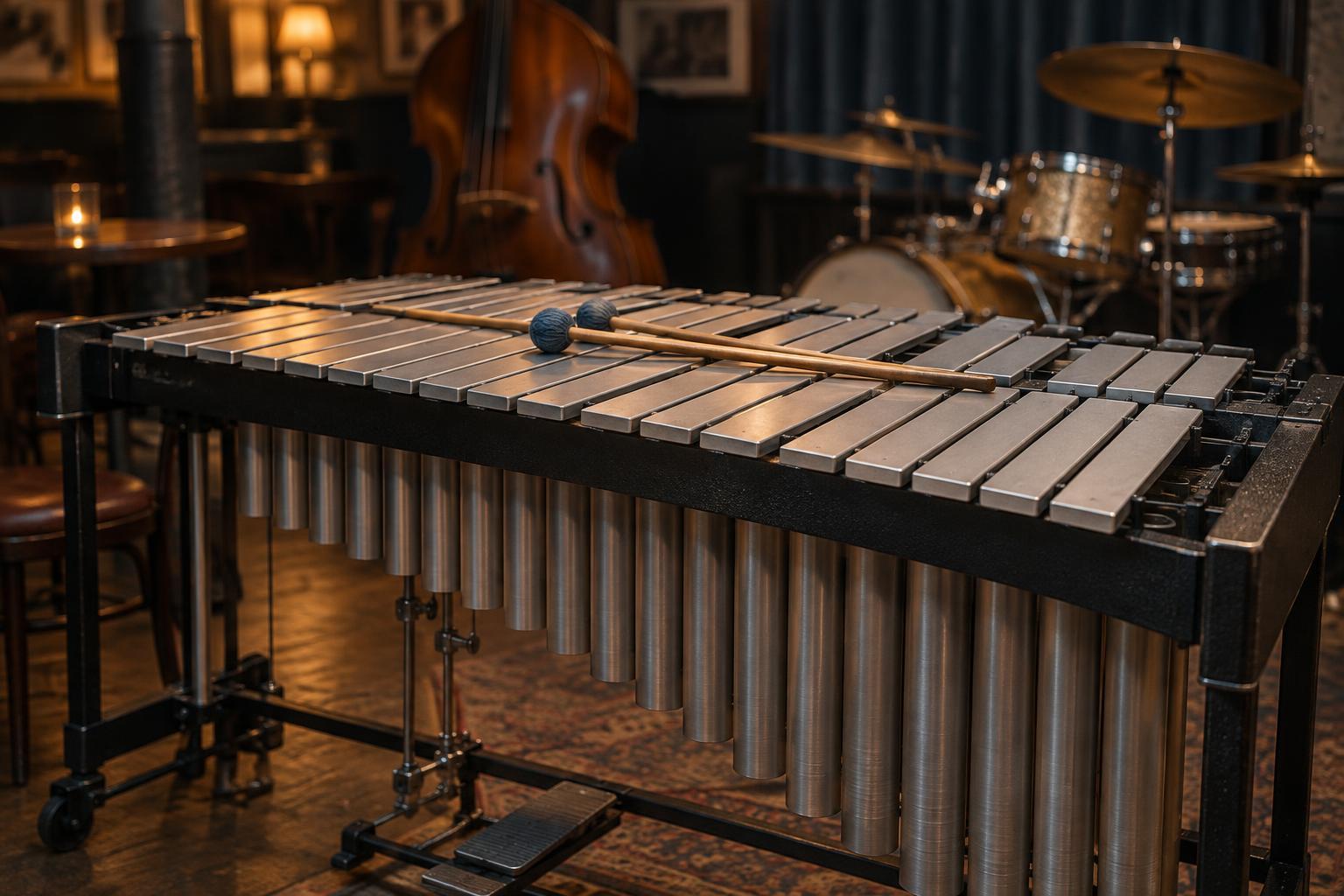
InstrumentsThe vibraphone can sound bright and percussive one moment, warm and floating the next. Learn how its bars, pedal and motor shape the sound, what vibraphone players do in a jazz group, and what to listen for as a beginner.
Read article · 4 min↗
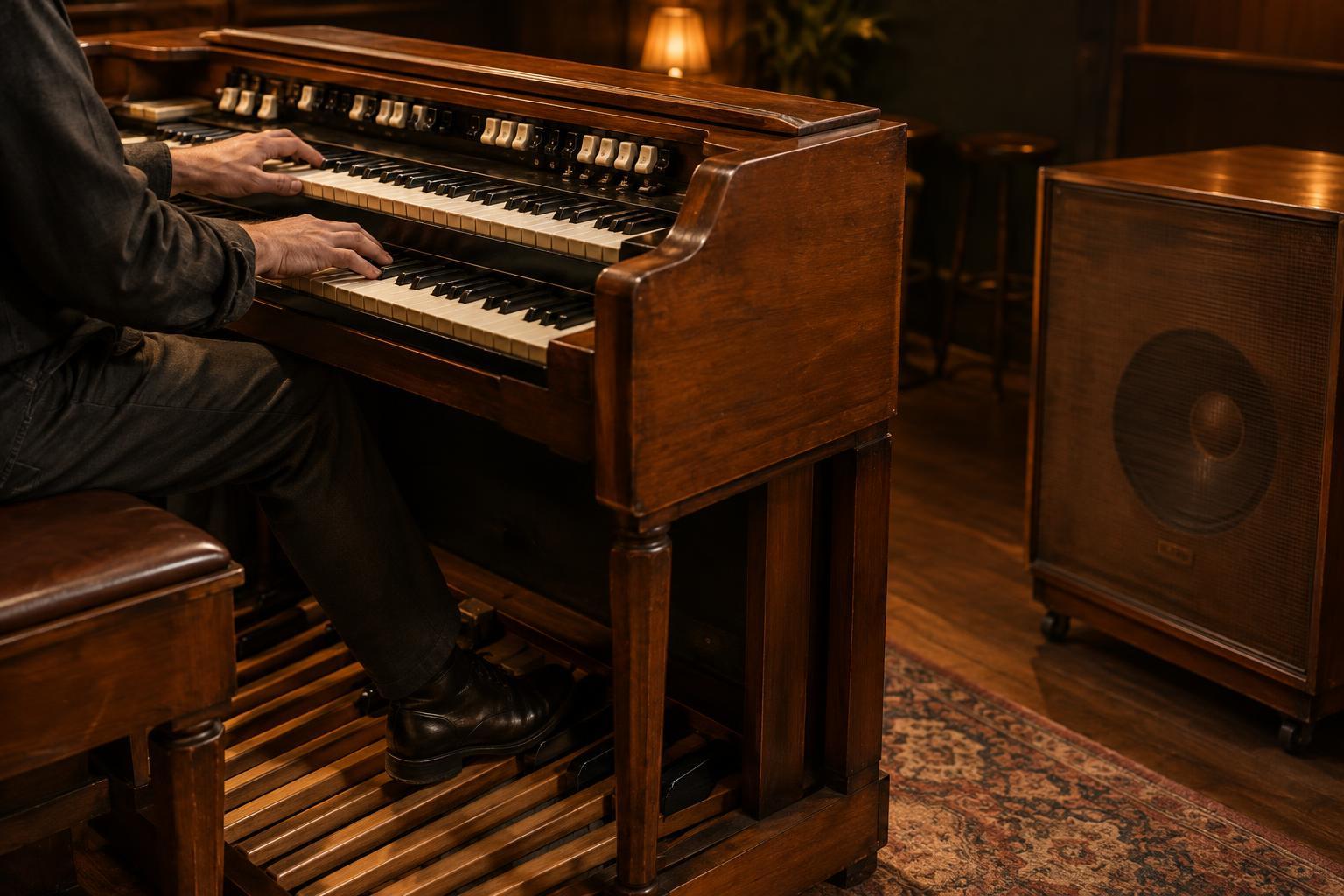
InstrumentsThe Hammond organ can fill several roles at once: shaping chords with drawbars, laying down a bass line, and holding tones that connect one phrase to the next. Here is a listening guide to how those parts work together in jazz.
Read article · 4 min↗
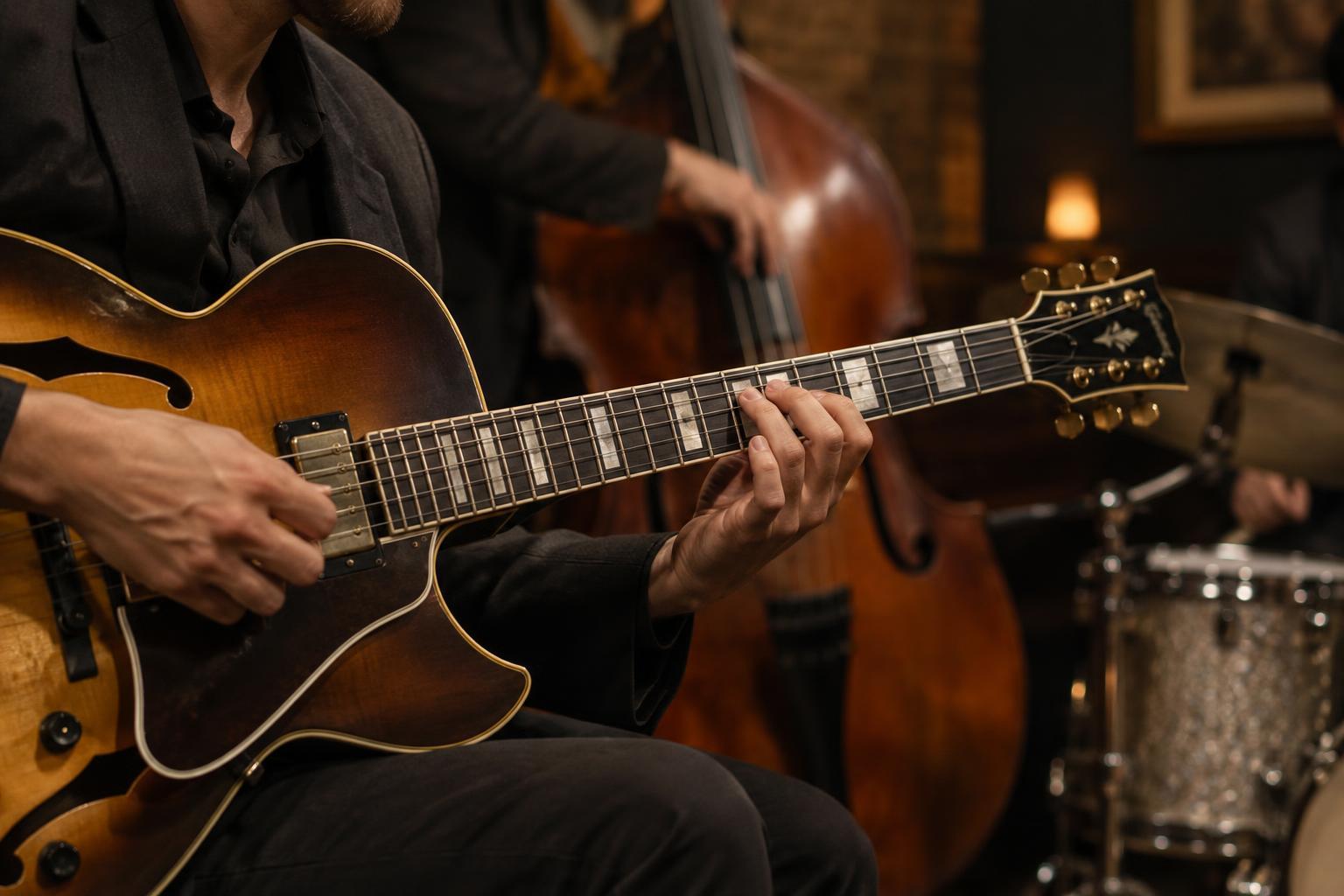
InstrumentsA jazz guitarist can support a group with chords one moment and lead it with a melodic line the next. Learn how comping and single-note soloing differ in rhythm, note choice, space and interaction—and what to listen for in each role.
Read article · 4 min↗
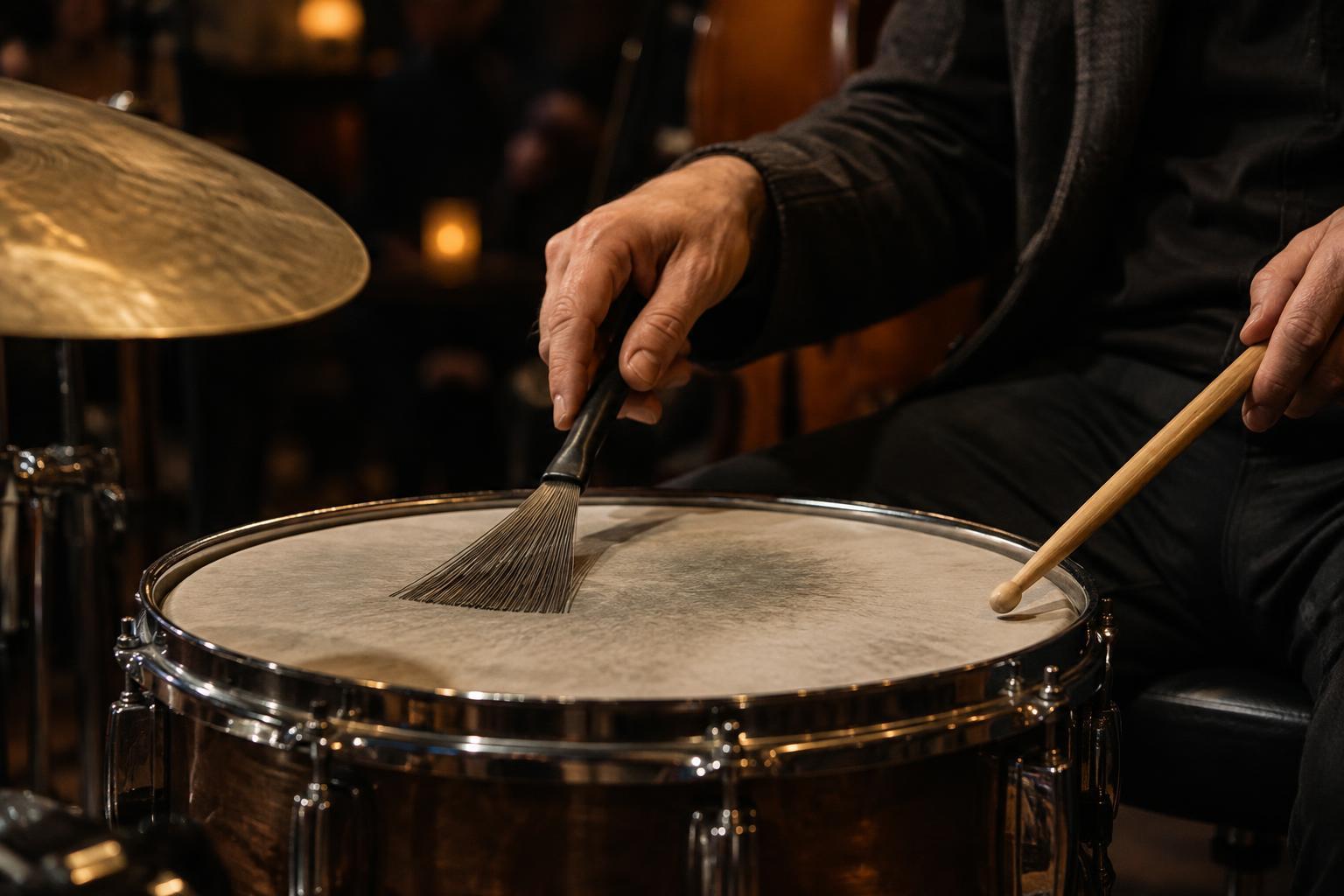
InstrumentsA drummer can change the feel of a jazz performance without changing the tempo. Learn how brushes and sticks shape rhythm, volume and space, and what to listen for when a player switches between them.
Read article · 4 min↗
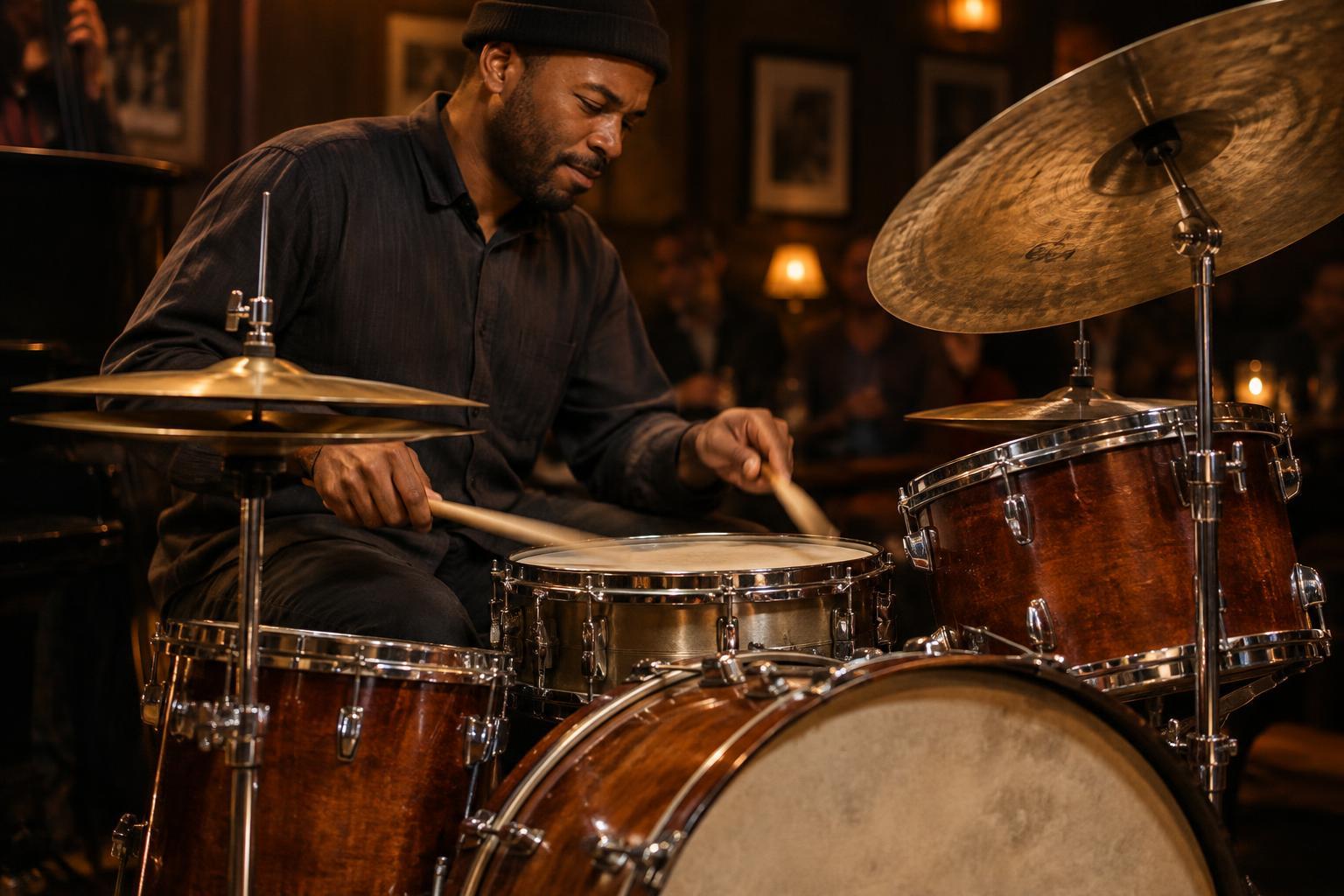
InstrumentsA jazz drummer does more than keep time. Learn how the ride cymbal, hi-hat, snare, and bass drum each shape the pulse, respond to soloists, and give a performance its sense of motion.
Read article · 4 min↗
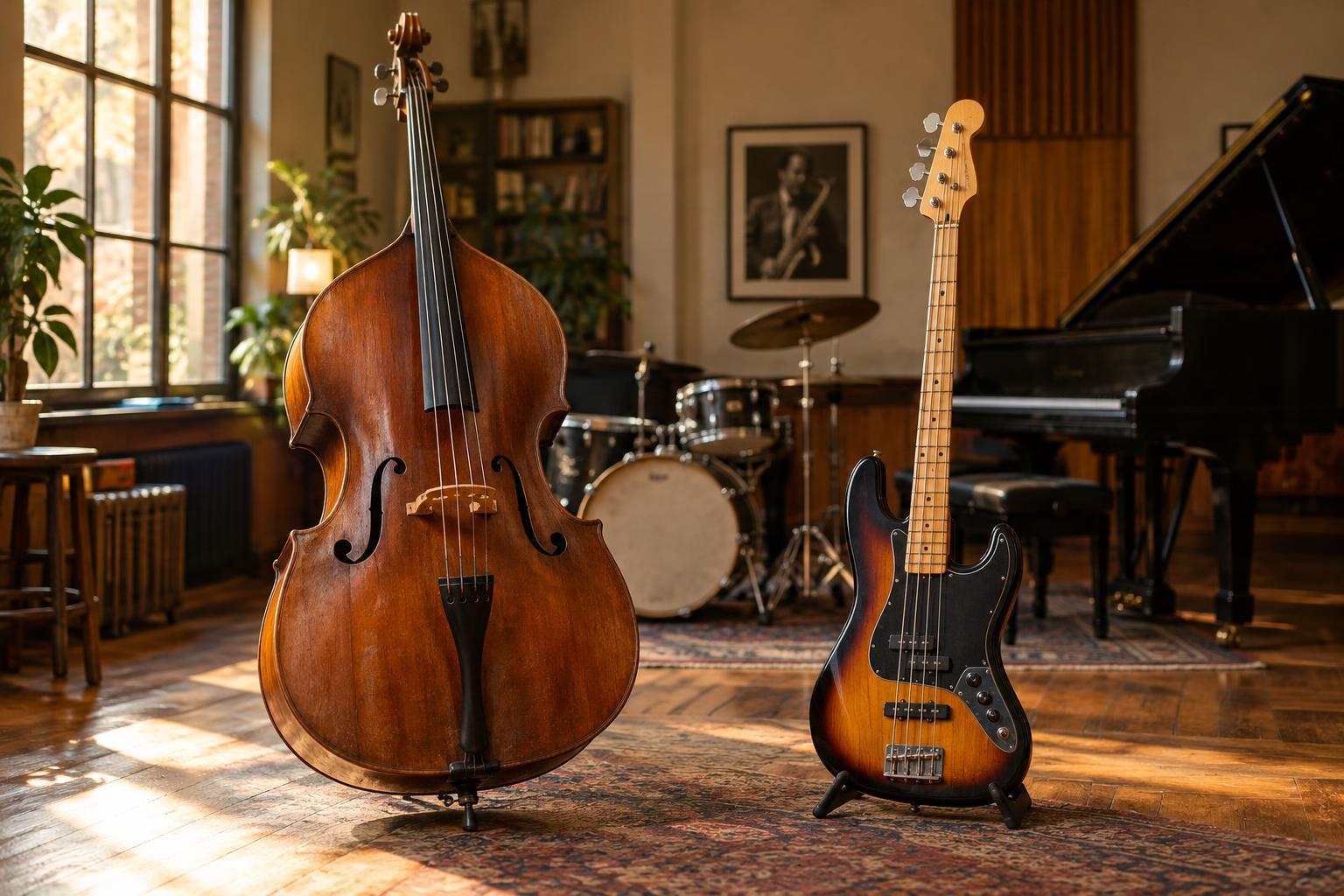
InstrumentsBoth upright and electric bass can anchor a jazz group, but they shape a performance in different ways. Learn how attack, sustain, technique, and amplification affect what you hear—and how to listen for each instrument’s role in an ensemble.
Read article · 4 min↗
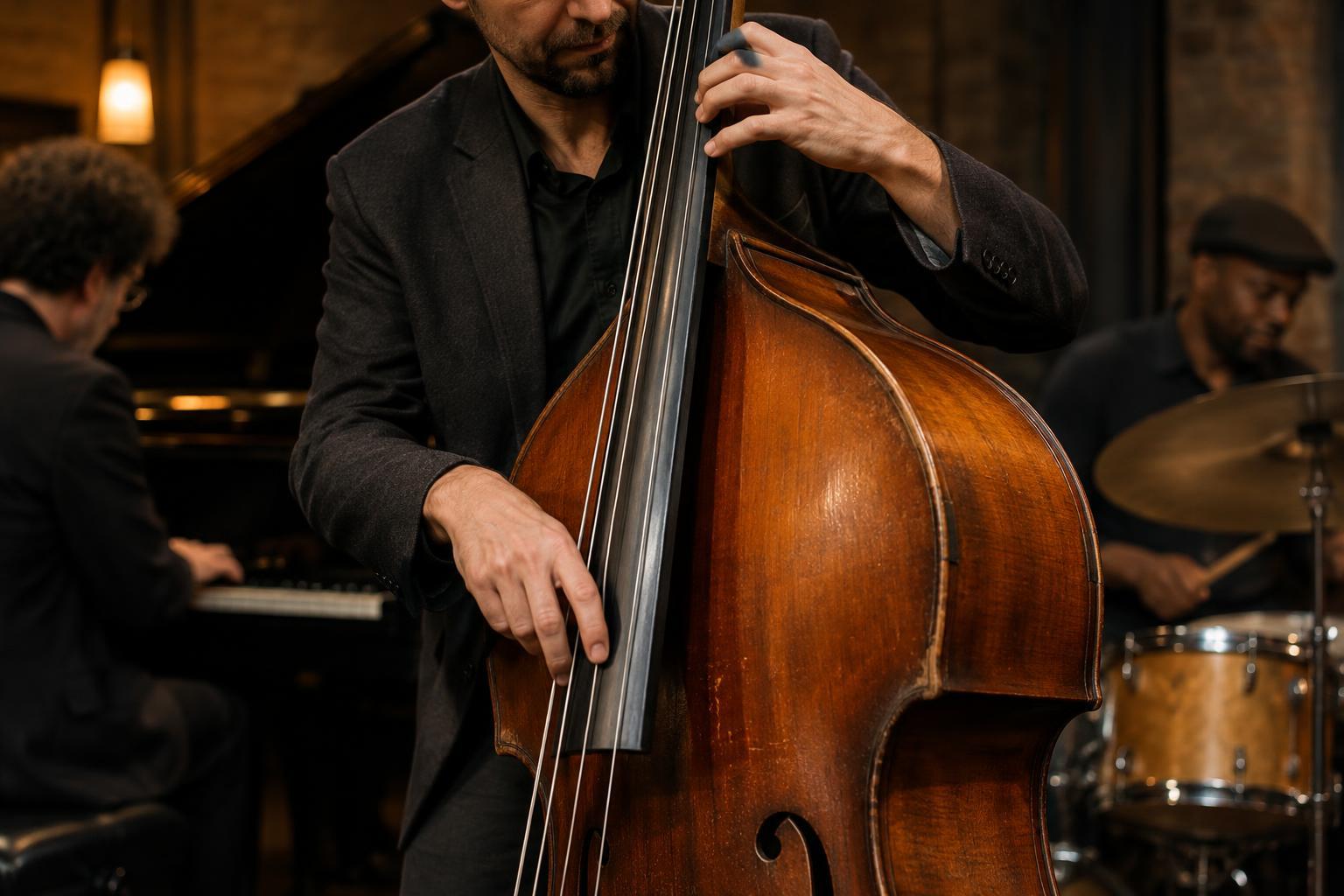
InstrumentsA walking bass line gives many jazz performances their sense of forward motion. Learn how upright bass players use steady quarter notes, chord tones, passing notes and rhythm-section interaction to make a line both supportive and melodic.
Read article · 4 min↗
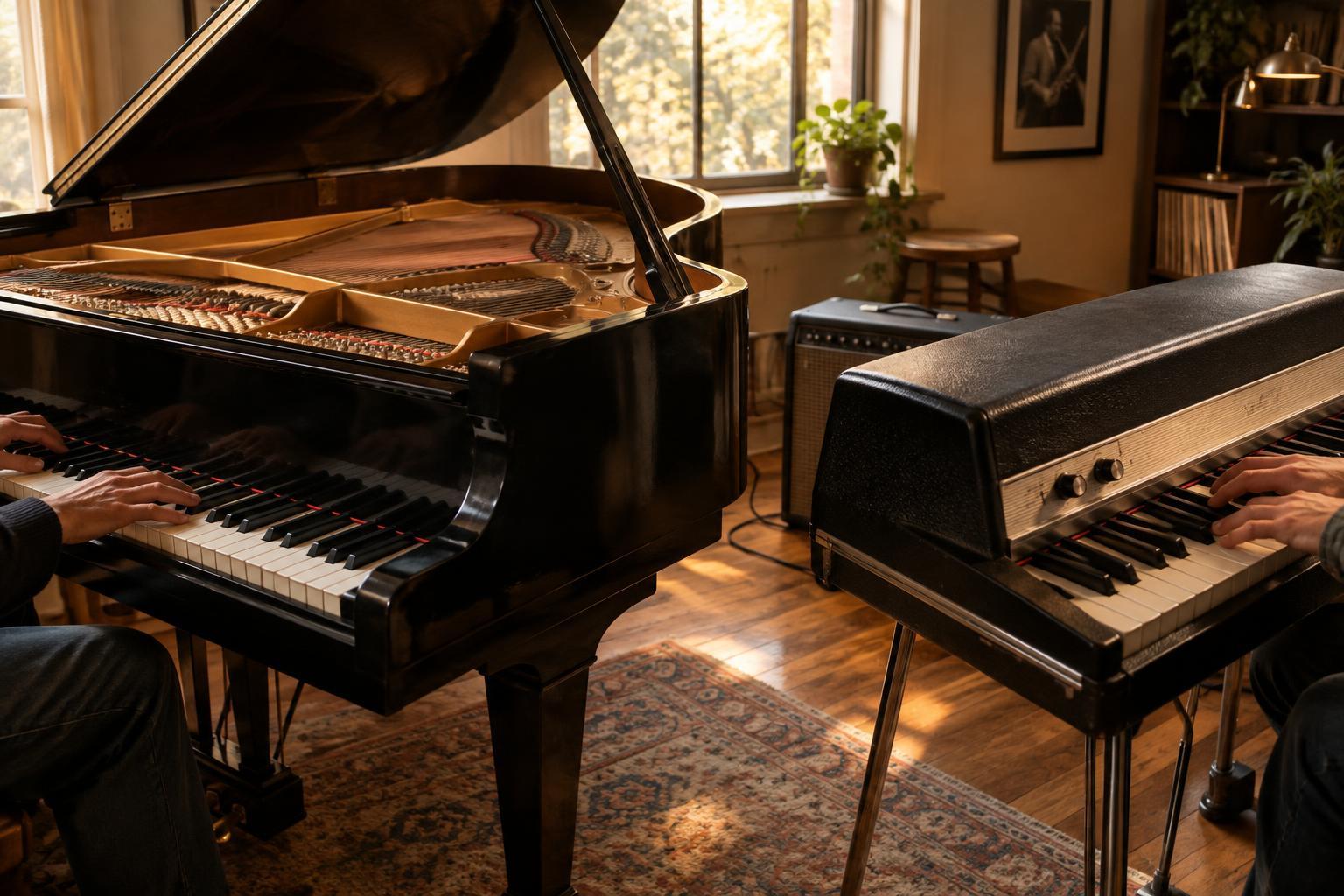
InstrumentsAn acoustic piano and an electric piano can play the same jazz harmony yet create different moods. Learn how their sound production, sustain, touch and amplification affect the way you hear a performance.
Read article · 4 min↗
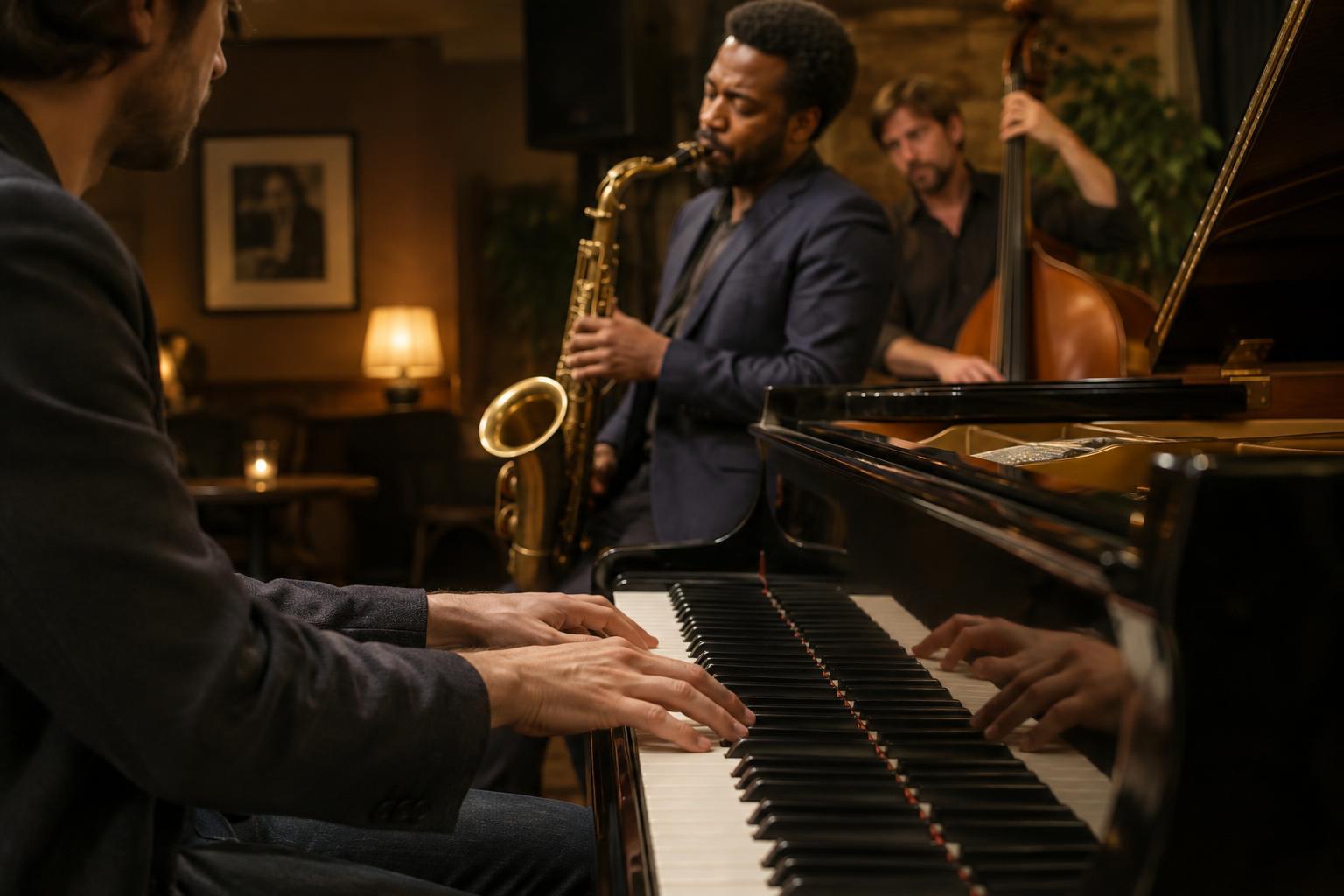
InstrumentsJazz piano comping is more than playing the right chords. Learn how voicing, rhythm, space and close listening help a pianist support a soloist and shape the feel of a performance.
Read article · 3 min↗
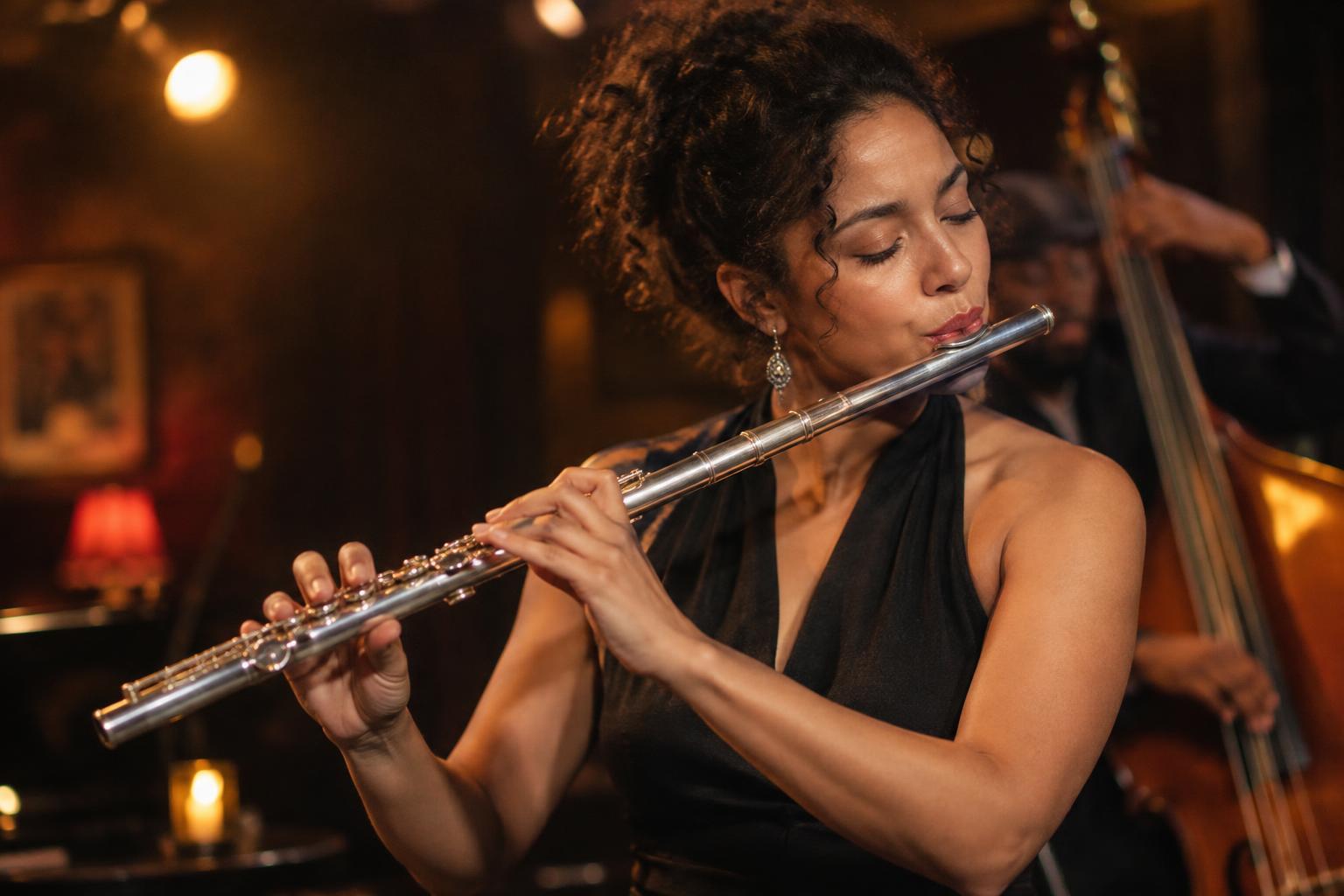
InstrumentsA jazz flute sound is more than a beautiful note. Learn how breath, embouchure, register, articulation and phrasing help flutists make a melody feel intimate, buoyant or bold.
Read article · 4 min↗
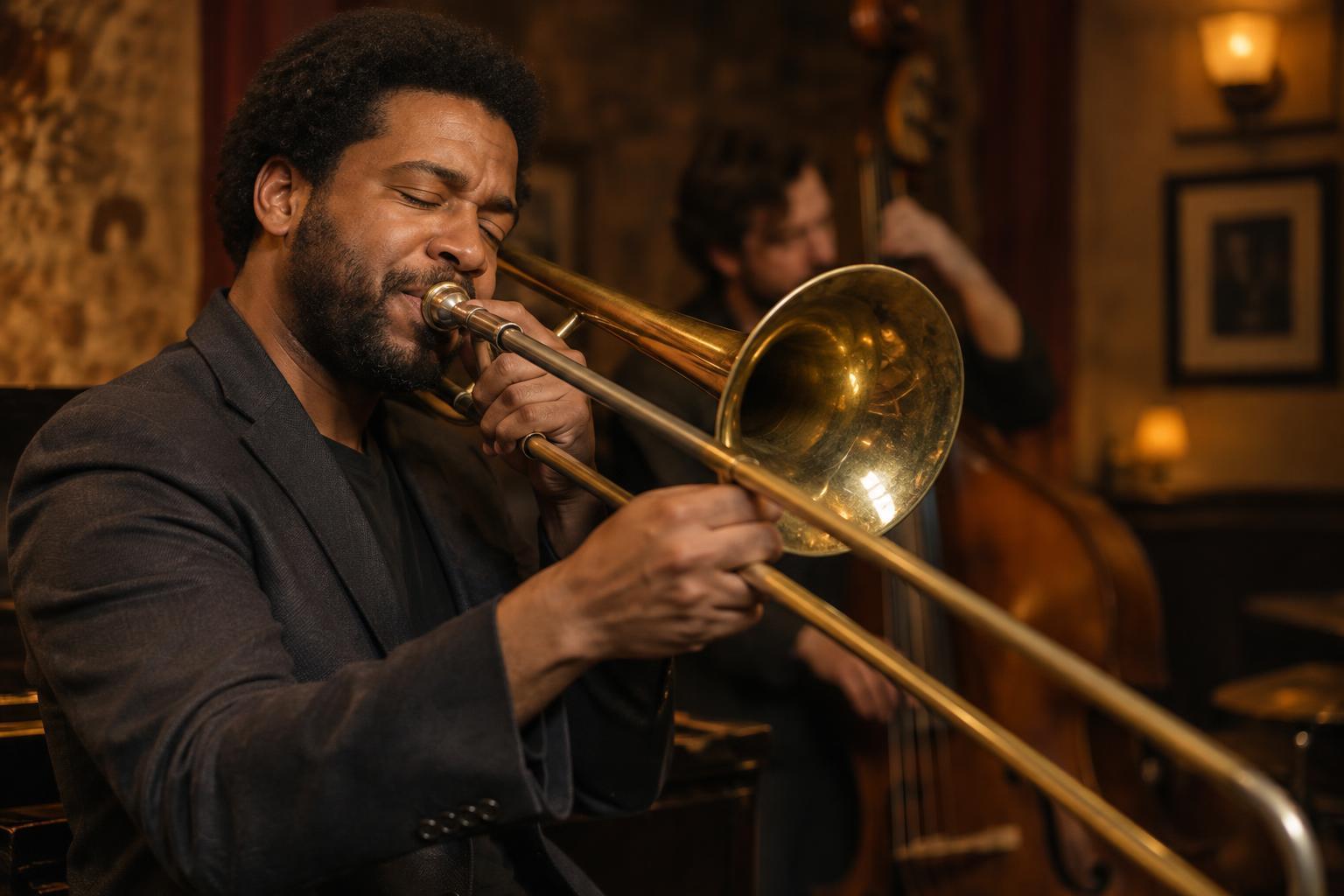
InstrumentsThe trombone can connect notes, bend into pitches and shape attacks in ways that make a jazz line feel remarkably close to speech. Learn what the slide contributes—and what to listen for in a solo or ensemble.
Read article · 4 min↗
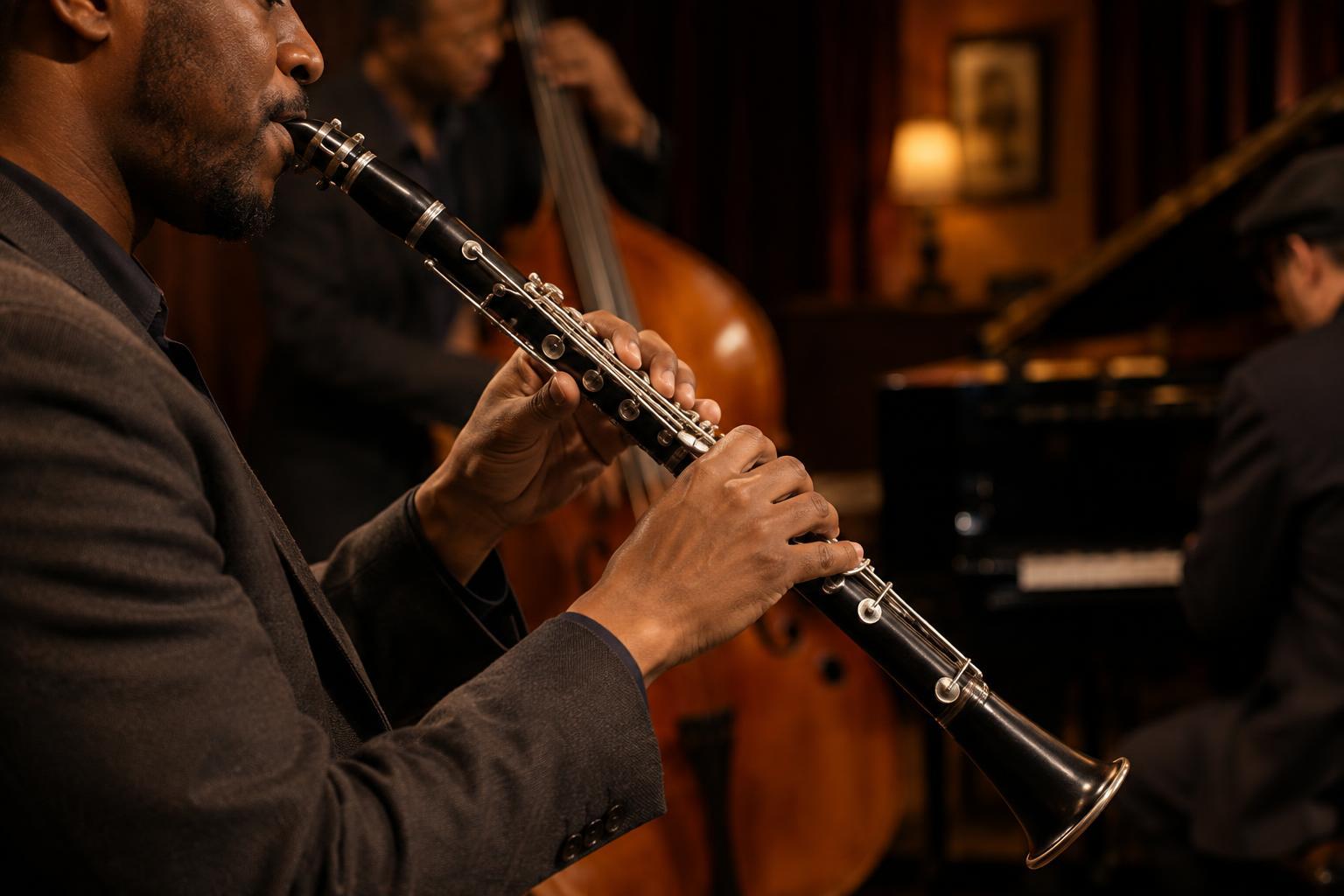
InstrumentsThe clarinet can weave around a jazz ensemble, carry a melody, or take a solo of its own. Learn how its changing tone, wide range, and flexible phrasing shape the way it sounds in early jazz, swing, and beyond.
Read article · 4 min↗
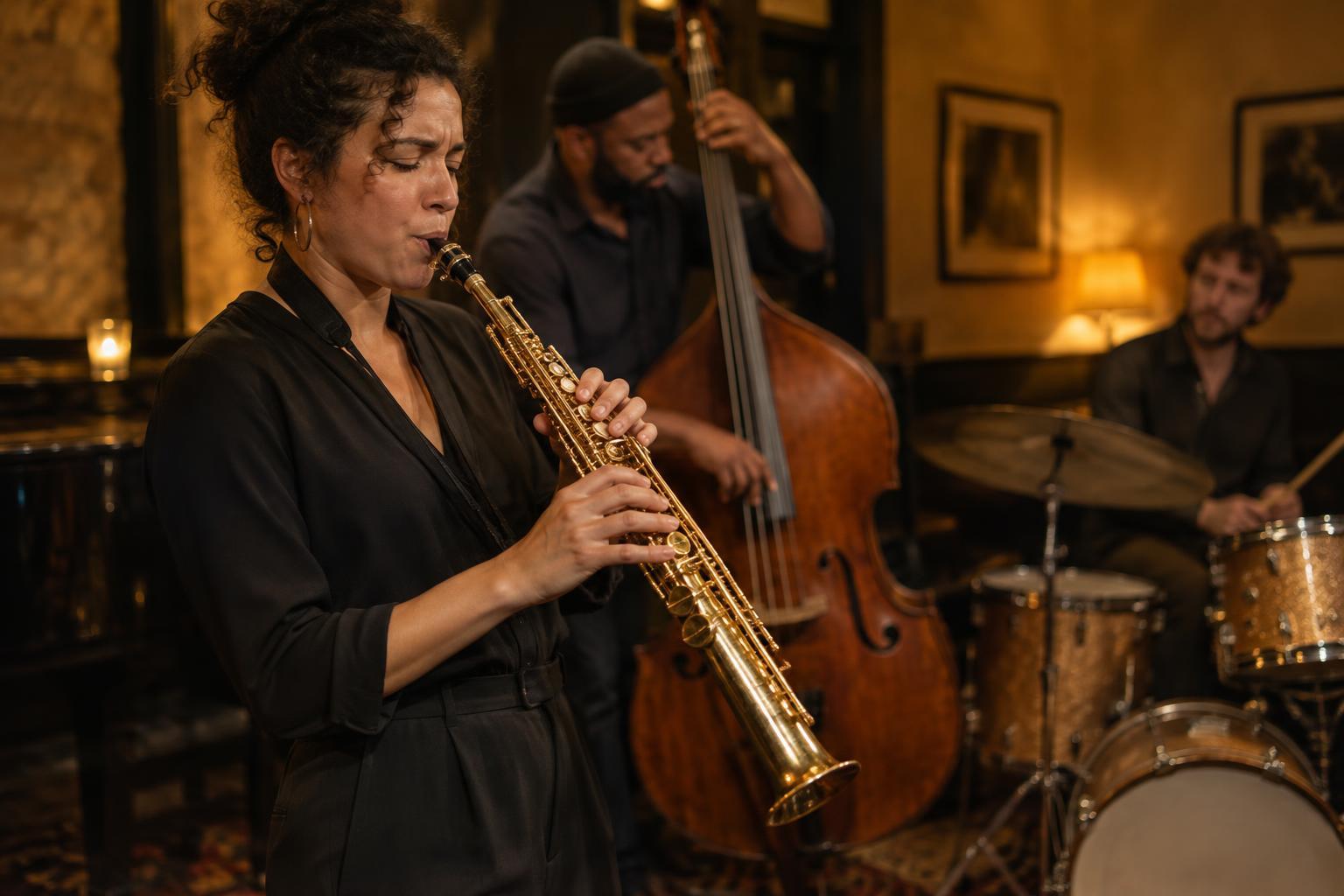
InstrumentsThe soprano saxophone can sound piercing, warm, playful or searching. Learn what gives it a distinctive voice, how it works in a jazz group and what to listen for when it takes the lead.
Read article · 4 min↗
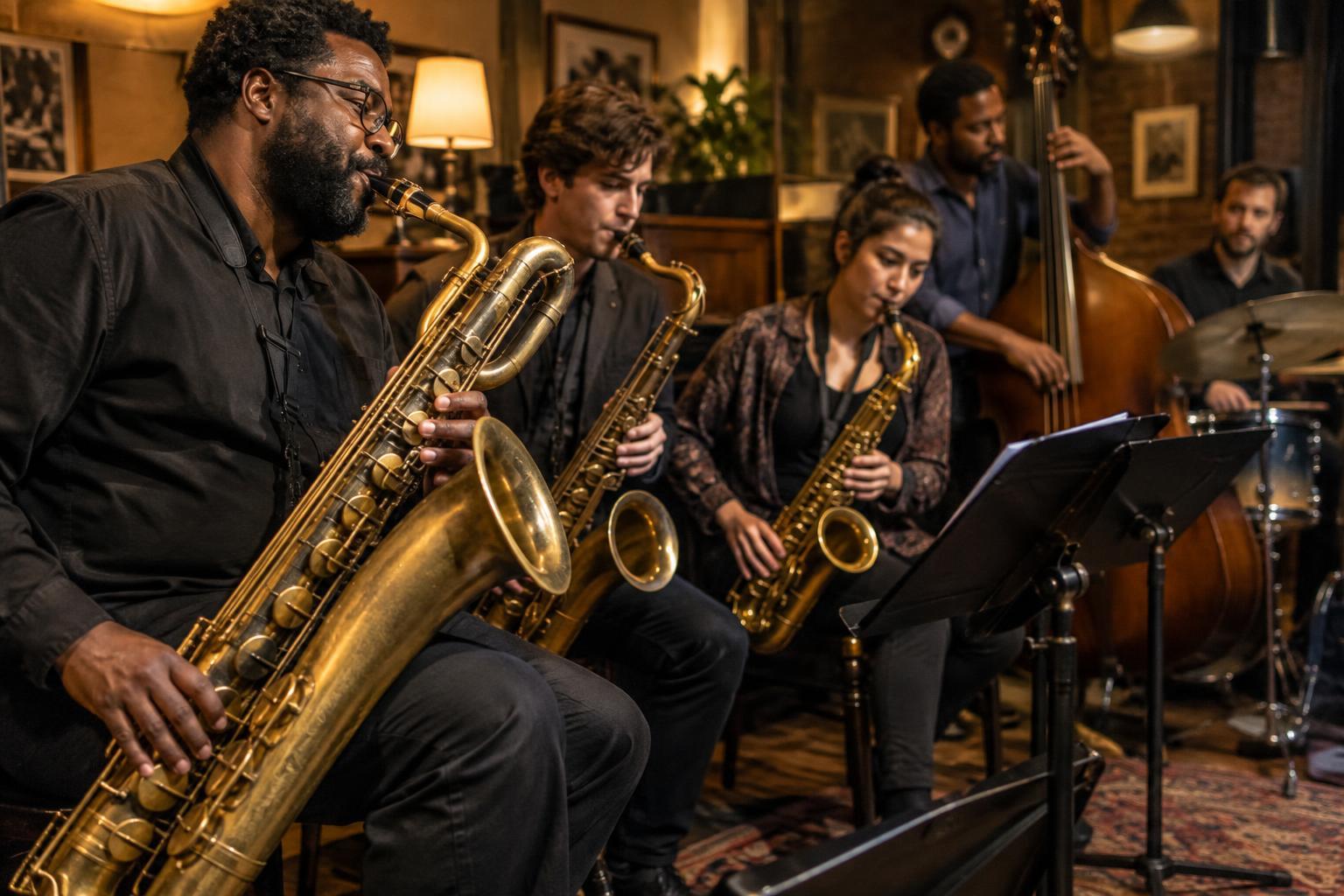
InstrumentsThe baritone saxophone can anchor a big band, add a contrasting voice to a small group, or step forward as a soloist. Learn how its range, tone and rhythmic flexibility shape the sound of a jazz ensemble—and what to listen for.
Read article · 3 min↗
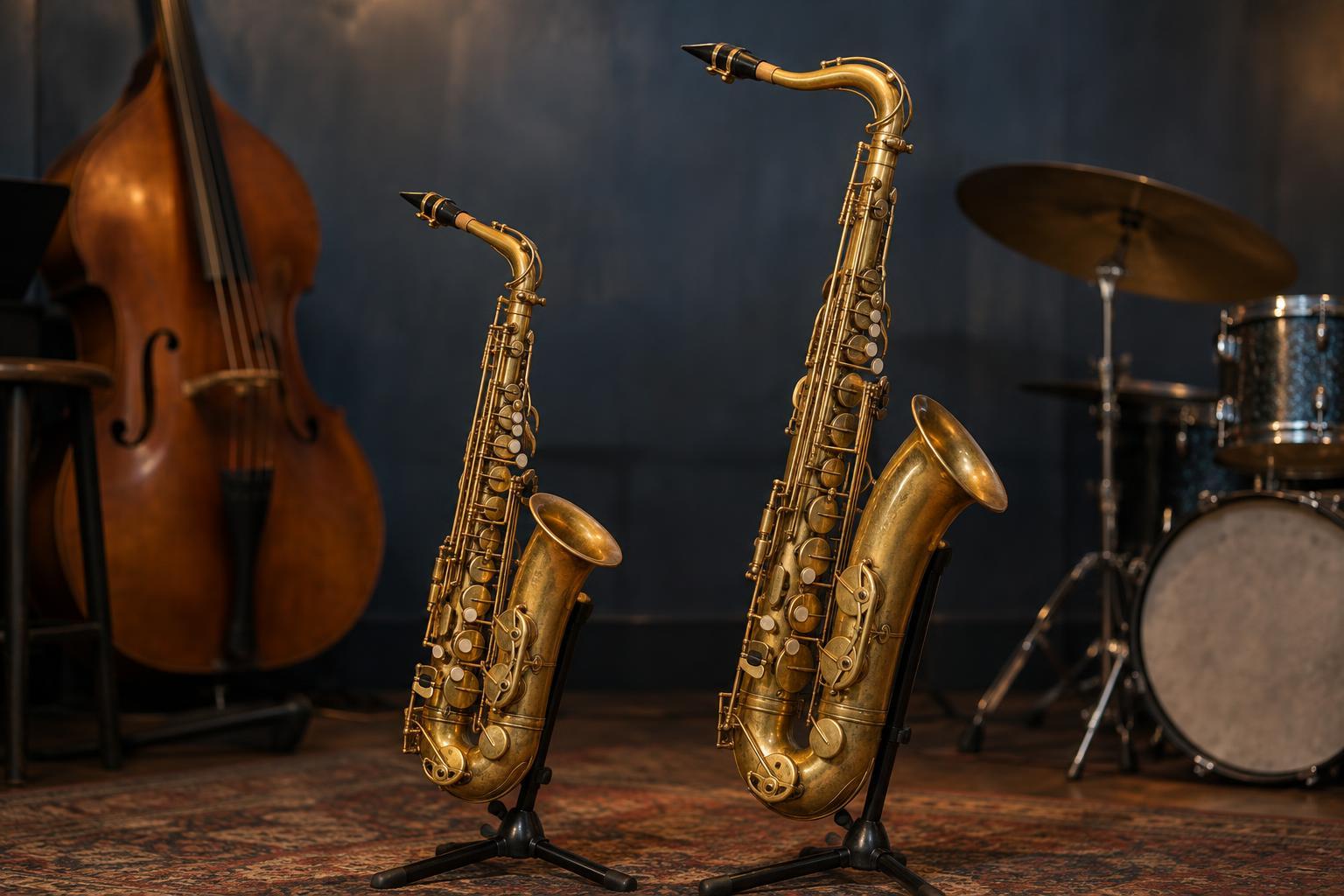
InstrumentsAlto and tenor saxophones can play many of the same melodies, but they sit in different registers and bring different colors to a jazz ensemble. Learn how their ranges, transpositions and tone compare—and what to listen for on a recording.
Read article · 4 min↗
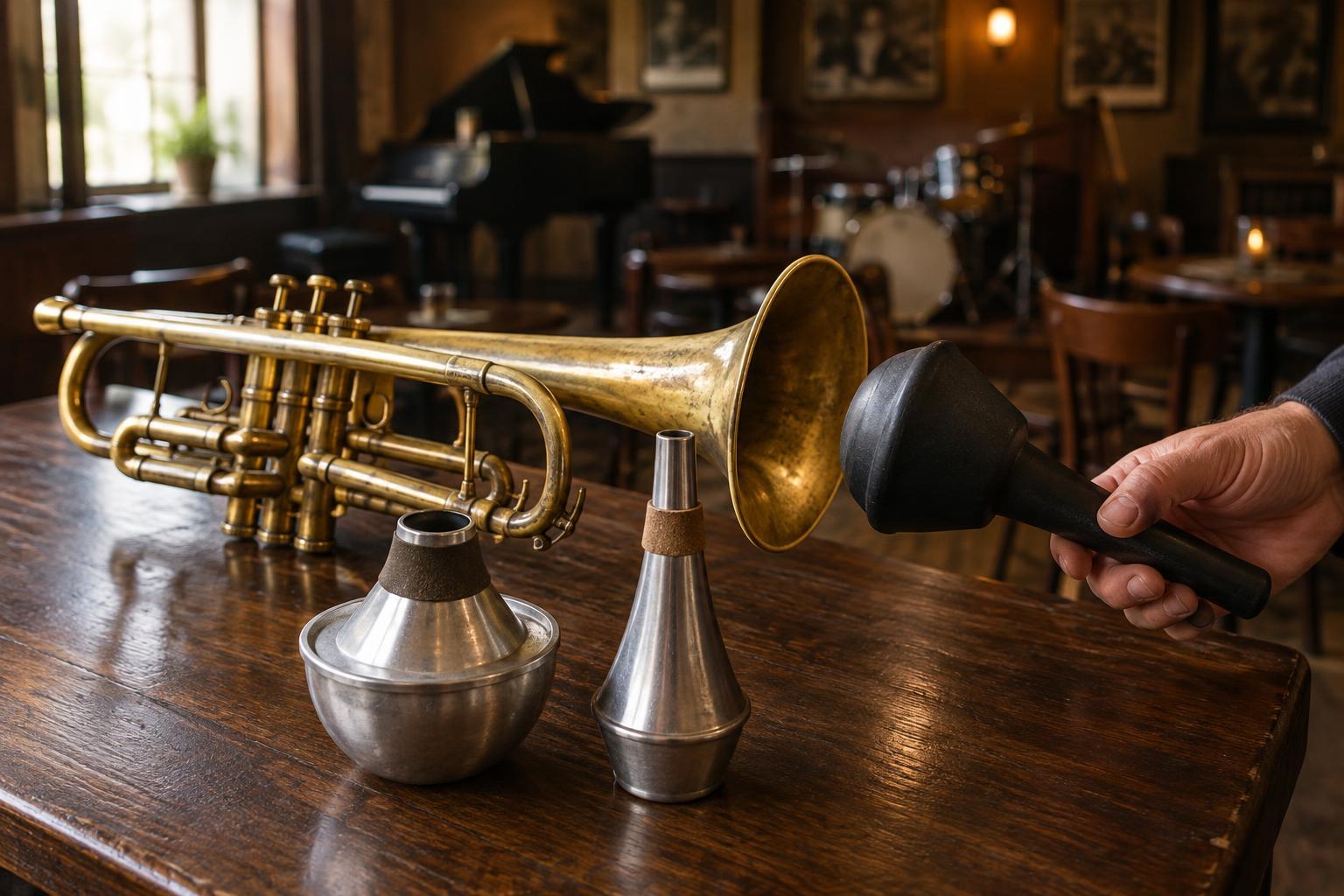
InstrumentsA trumpet mute does more than make an instrument quieter. Learn how cup, Harmon, and plunger mutes shape a note, and what to listen for when each appears in jazz.
Read article · 4 min↗
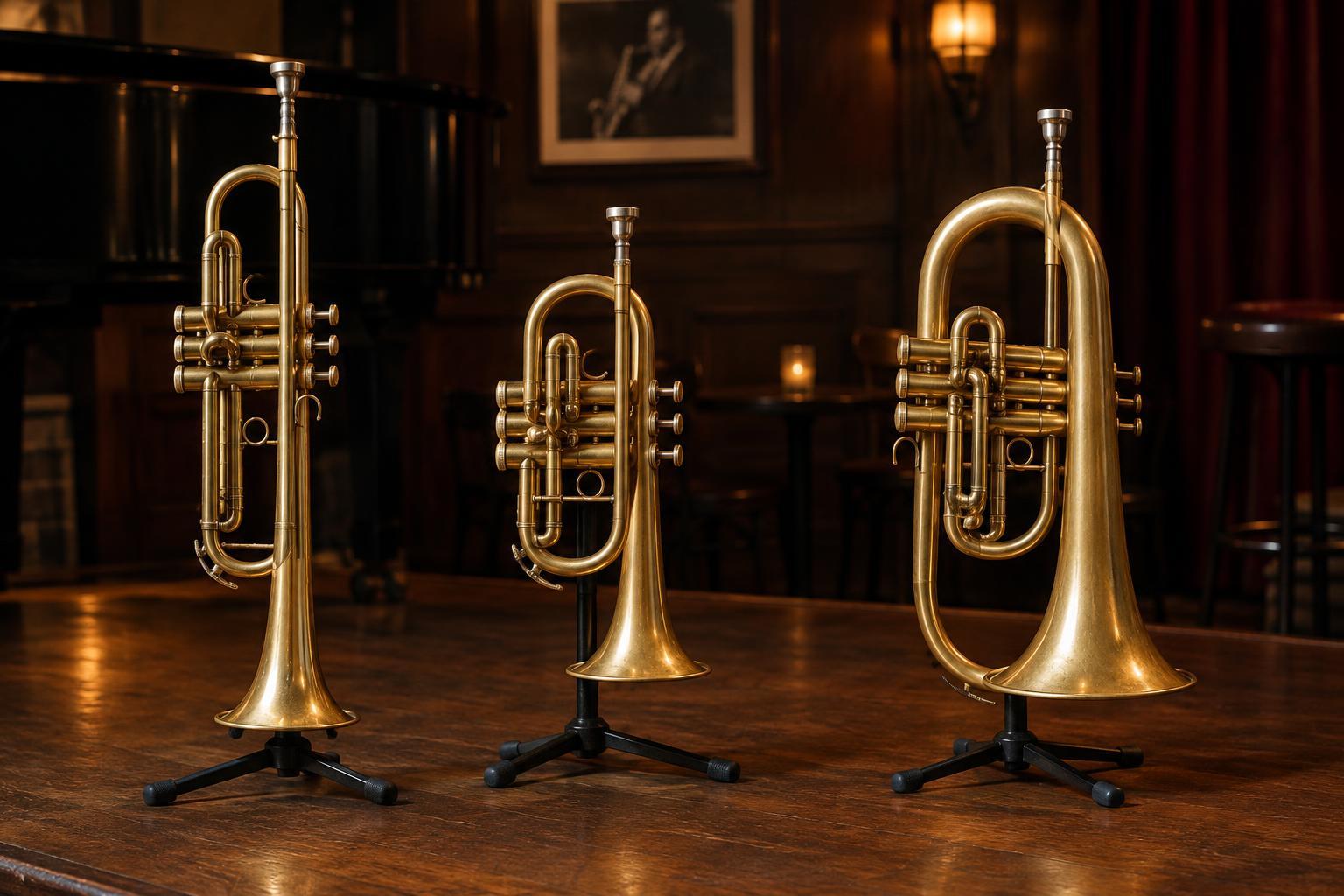
InstrumentsTrumpet, cornet, and flugelhorn share a family resemblance, but each can bring a different shape and color to a jazz phrase. Learn what to listen for—and why the player matters as much as the instrument.
Read article · 4 min↗