A small saxophone with a distinct voice
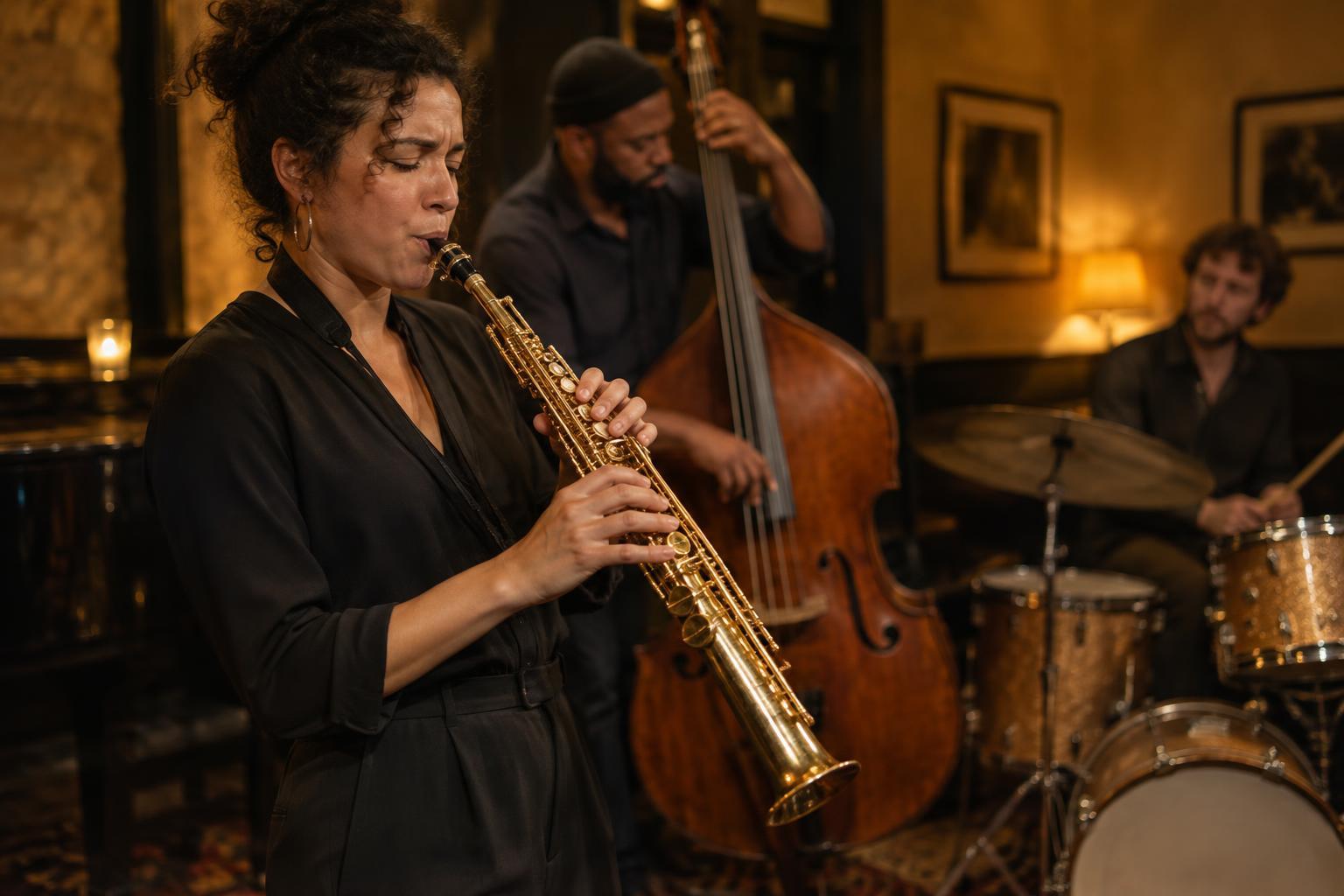
The soprano saxophone is one of the smaller members of the saxophone family. It plays in a higher range than the alto or tenor and is commonly seen in a straight form, though curved sopranos also exist. Like other saxophones, it uses a single-reed mouthpiece. It is usually a B-flat instrument, meaning its written notes sound a whole step lower.
Its sound is not simply a higher-pitched version of the tenor’s. A soprano can have a clear, focused edge that cuts through an ensemble, but a player can also make it sound soft and rounded. Breath, articulation, register and tone shape matter as much as the instrument itself. If you are new to it, resist trying to identify it by one adjective: listen to how the sound changes from a quiet phrase to a forceful one.
Because its high notes can be especially prominent, the soprano often draws attention even when it is not playing loudly. That presence makes it useful for carrying a melody, while also asking the player to balance carefully with the rest of the group.
Where it sits in a jazz ensemble
In a small group, the soprano may take the lead role more often associated with a trumpet, alto or tenor saxophone. It can state the tune, improvise over the harmony and trade short phrases with another soloist. Its upper range can leave room for piano, guitar or lower horns beneath it, giving a group a different texture without changing its basic arrangement.
The instrument is also effective as a contrasting voice. A musician who switches from tenor to soprano during a set can change the color of a tune without changing the rhythm section. Alongside a trumpet or trombone, the soprano may add a slender line above a broader brass sound. In a larger arrangement, it might carry a separate melody, reinforce a passage or provide a bright accent.
None of these jobs belongs exclusively to the soprano. Jazz musicians choose instruments for their phrasing and personality as well as their range. A soprano part can sound lyrical, rough, rhythmically playful or spare, depending on the player and the music around them.
A voice heard across jazz styles
Sidney Bechet is an important early example of the soprano saxophone as a powerful jazz solo voice. His expressive playing shows how the instrument can sing over an ensemble, bending and decorating a melody rather than presenting it plainly. Listening to Bechet is a useful reminder that the soprano’s role in jazz did not begin with modern small-group playing.
John Coltrane’s recording of “My Favorite Things” offers a different point of entry. The repeated musical pattern and long, developing solo passages give listeners time to hear how a soprano line can move between a recognizable melody and freer exploration. The instrument’s penetrating tone remains audible as the surrounding texture shifts.
Those examples are not a fixed definition of soprano jazz. The instrument appears in settings from traditional ensembles to contemporary groups, and players can approach it with very different ideas about tone and improvisation. Comparing performances is more revealing than assuming a particular style automatically calls for a particular sound.
Why its sound can be challenging
The soprano has a reputation for demanding careful control of pitch and tone. Small changes in breath support or mouth position can be noticeable, especially on held notes or at the ends of phrases. Some listeners hear a wavering or vocal quality where others expect the smoother sound of an alto. That difference is part of what makes the instrument interesting; it is not always a flaw.
In jazz, a player may also shape pitch deliberately. A note can be approached from below, bent slightly or colored with vibrato. The useful listening question is not whether every note sounds mechanically even, but how those choices contribute to the phrase. Does a rising line create tension? Does a sustained note seem to answer the rhythm section? Separating expressive choices from the general character of the horn takes practice.
How to listen for the soprano
Start with a passage in which the soprano states a melody. Follow the ends of its phrases: does the player leave space, hold a note or connect immediately to the next idea? Then listen to the same passage for the accompaniment. A drummer’s accent, a bass note or a piano chord may help explain why the soloist changes direction.
Next, compare the soprano with another lead instrument at a similar volume. Notice its narrower, often more pointed sound beside a tenor saxophone, or its reed-like articulation beside a trumpet. These are useful starting points, not rules: players can make the boundaries surprisingly hard to hear.
Finally, return to the whole group. The soprano fits into jazz not because it always stands apart, but because its distinctive voice can join a conversation. Following when it leads, responds or falls silent reveals as much about the music as identifying the instrument itself.