Start with the space around a note
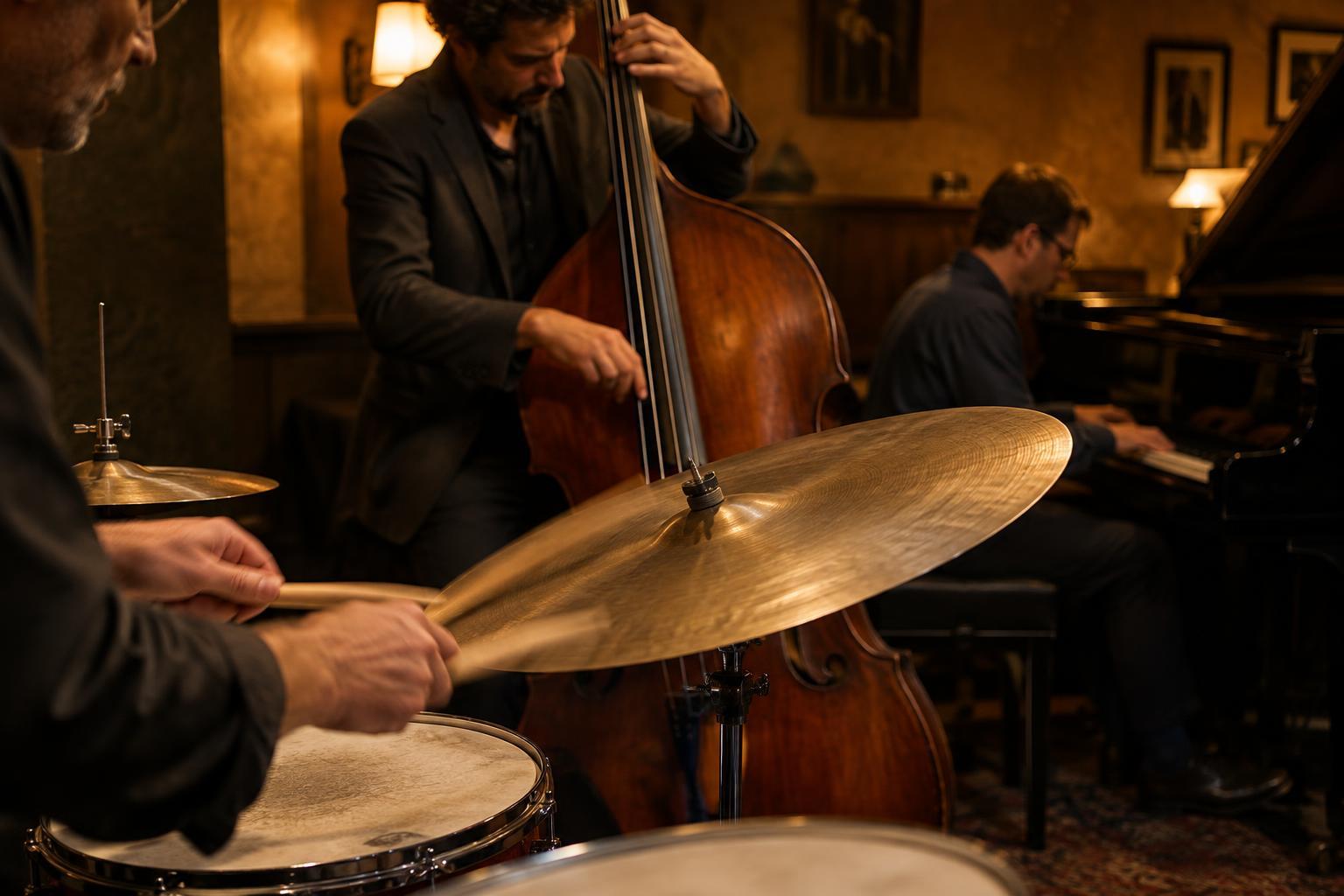
Put on a jazz recording you know reasonably well and choose a brief passage with a clear pause: the end of a piano phrase, a cymbal strike, or a horn note followed by silence. Instead of following the next musical idea, listen to what happens just after the sound begins to fade. Does it stop sharply? Does a soft tail linger? Can you hear another instrument or a bit of background noise in the gap? These details can make the music feel close, spacious, dry, or enveloping.
There is no need to identify a particular room or piece of equipment. The sense of space on a recording can come from the performance setting, microphone placement, added effects, mixing, or a combination of them. Start with a simpler question: what does the finished recording allow you to hear? Describing a cymbal as seeming to hang in the air is more useful than confidently naming a recording technique you cannot verify.
Notice where the players seem to sit
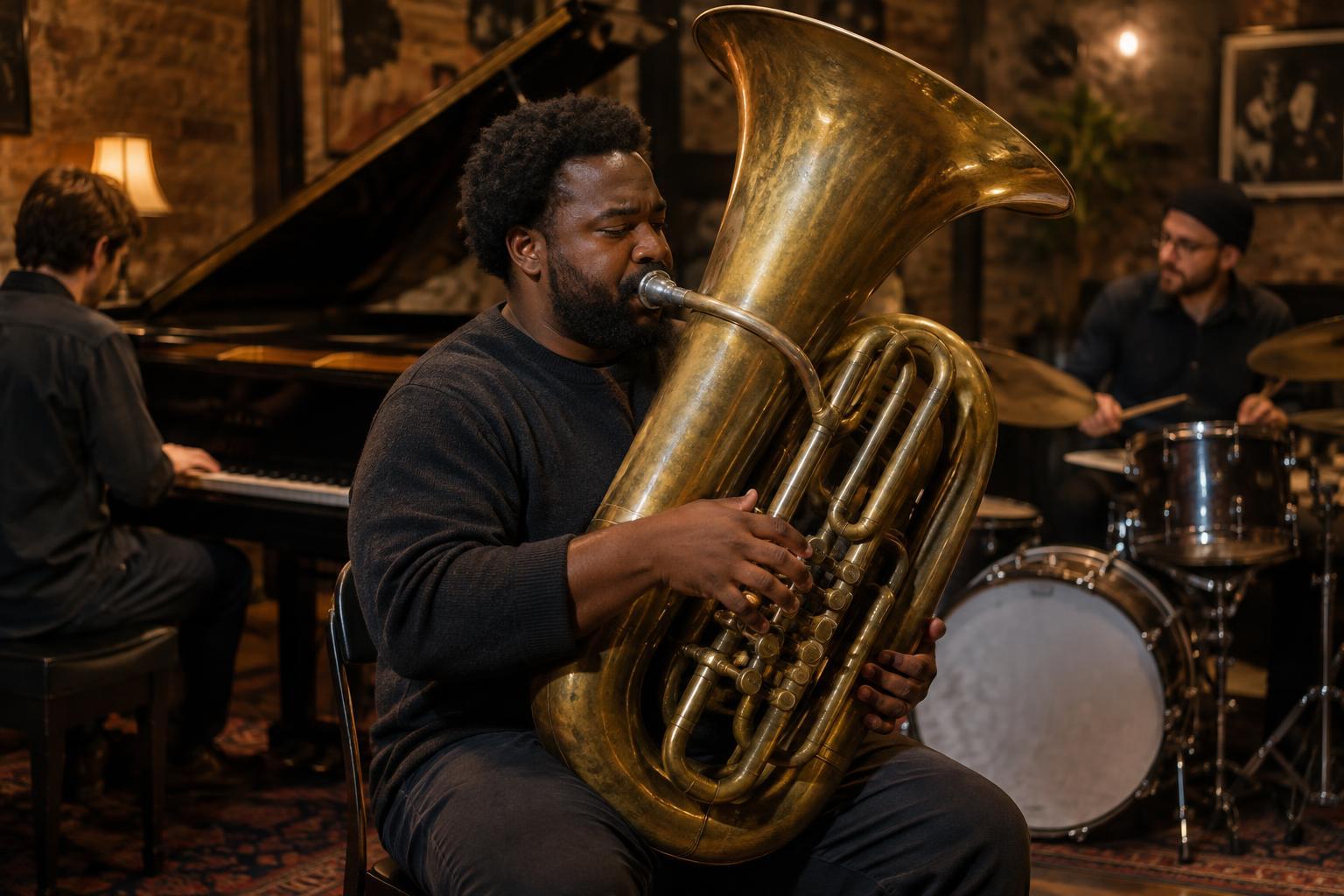
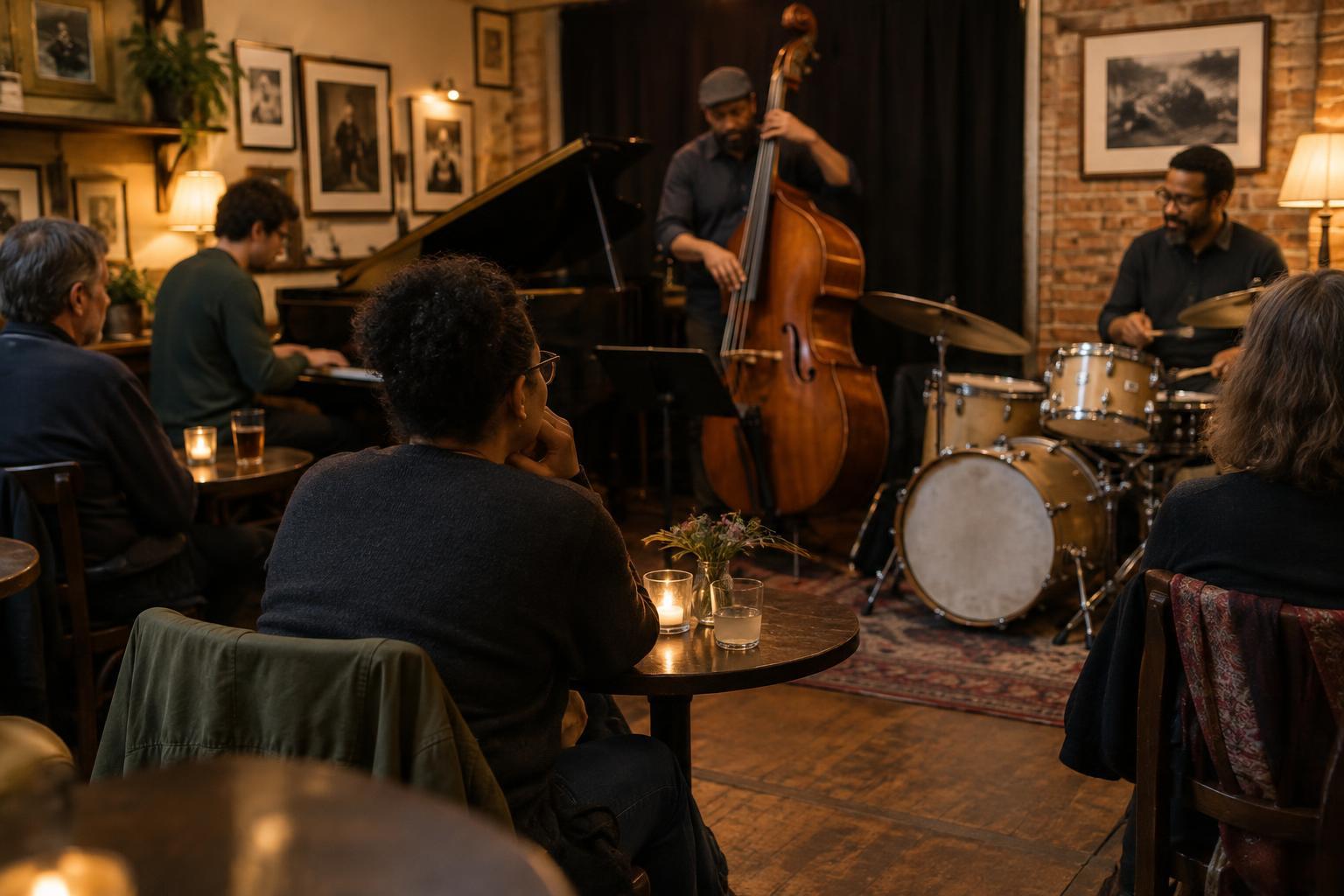
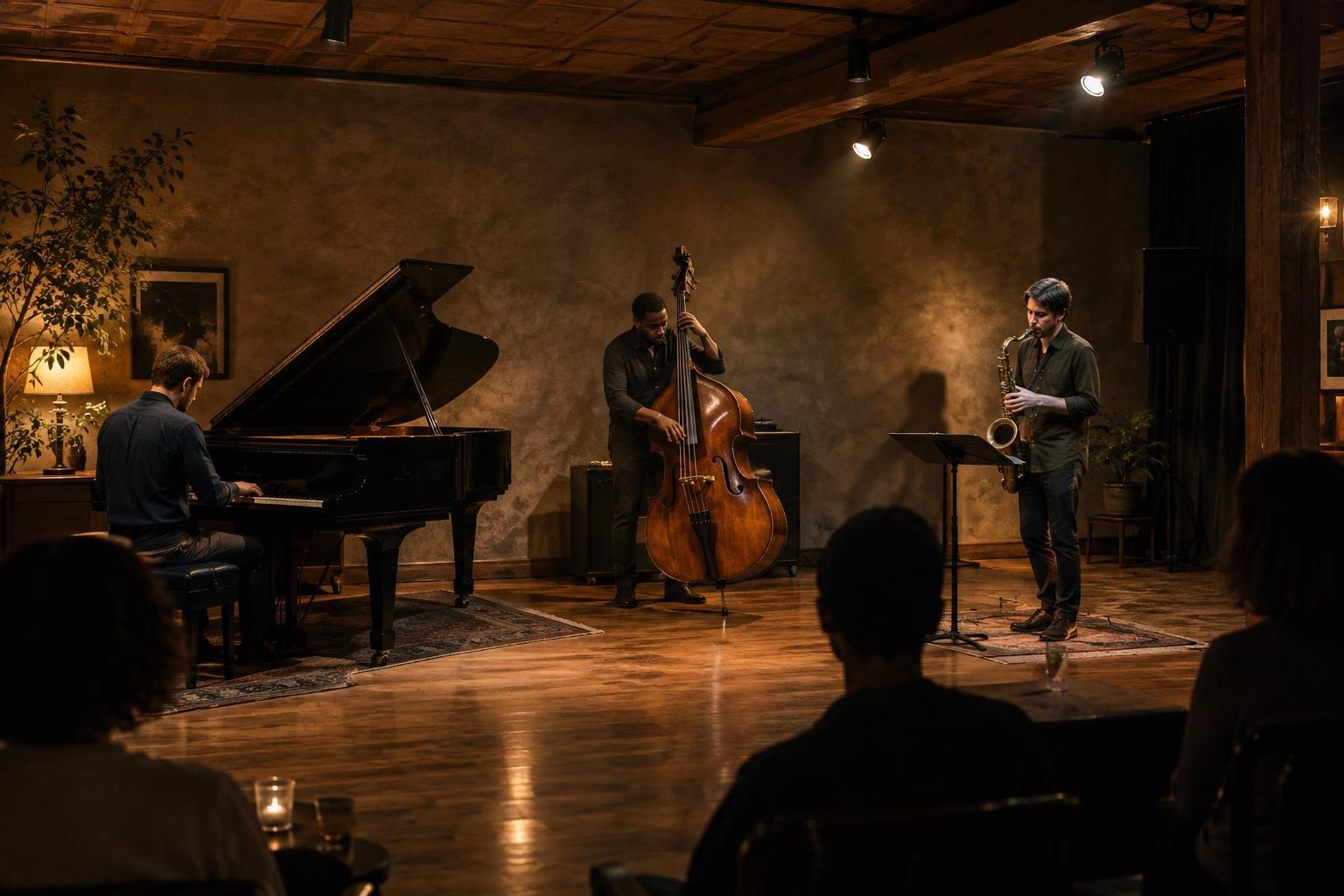
On a small-group recording, pick one instrument and follow it for a minute. A bass may feel centered and close, while a piano seems wider or farther away. A saxophone might stand out in front of the group, or it might blend into the same apparent space as the drums. These impressions are part of how the recording presents the ensemble. They can affect whether you hear the music as an intimate conversation or as a performance viewed from a few rows back.
Try listening once through speakers and once through headphones, if both are available. Headphones can make small placement differences easier to notice, while speakers may give you a more natural sense of the group sharing a space. Neither setup reveals a definitive seating chart. Balance, stereo placement, and room sound can all shape where an instrument seems to be. The useful exercise is to notice how that presentation changes your attention: does the bass line become easier to follow, or does the horn draw you away from the accompaniment?
Use quiet moments as listening windows
Fast solos can make it difficult to attend to anything beyond the notes. Slower introductions, short breaks between phrases, and the end of a track offer better windows into the recording’s texture. Listen for a faint drum sound beneath a piano passage, the decay of a chord, or the way a horn’s tone changes when the player softens. On some recordings, you may also hear audience sounds or other traces of a performance setting. On others, the spaces between notes may be unusually quiet.
Do not treat every faint sound as a clue that needs solving. What seems like room ambience might also include sound picked up by more than one microphone, an effect added to an instrument, or noise in the recording. You can still use it to sharpen your listening. Replay the same short passage and ask whether the background stays constant, changes with a particular instrument, or becomes noticeable only when the group pauses. That observation gives you something concrete to listen for on the next track.
Compare without ranking the rooms
To hear how much presentation matters, compare two recordings with similar instrumentation, such as two piano trios. Keep the playback volume comfortable and roughly comparable. In each recording, focus on the same few questions: Can you distinguish the bass’s attack from its lingering tone? Do cymbals feel crisp and close or soft and diffuse? When the piano stops, does the sound appear to end immediately or fade into the surrounding space? Differences may stand out even when you cannot explain their technical cause.
Resist the urge to declare one sound more authentic. A close presentation may help you catch a player’s small gestures; a more distant one may make the ensemble feel cohesive. Both can serve the music. After comparing, return to one complete track and let your attention move between the performance and its setting. The goal is not to listen past the musicians to the room. It is to hear how the recorded space helps shape your experience of what they play together.