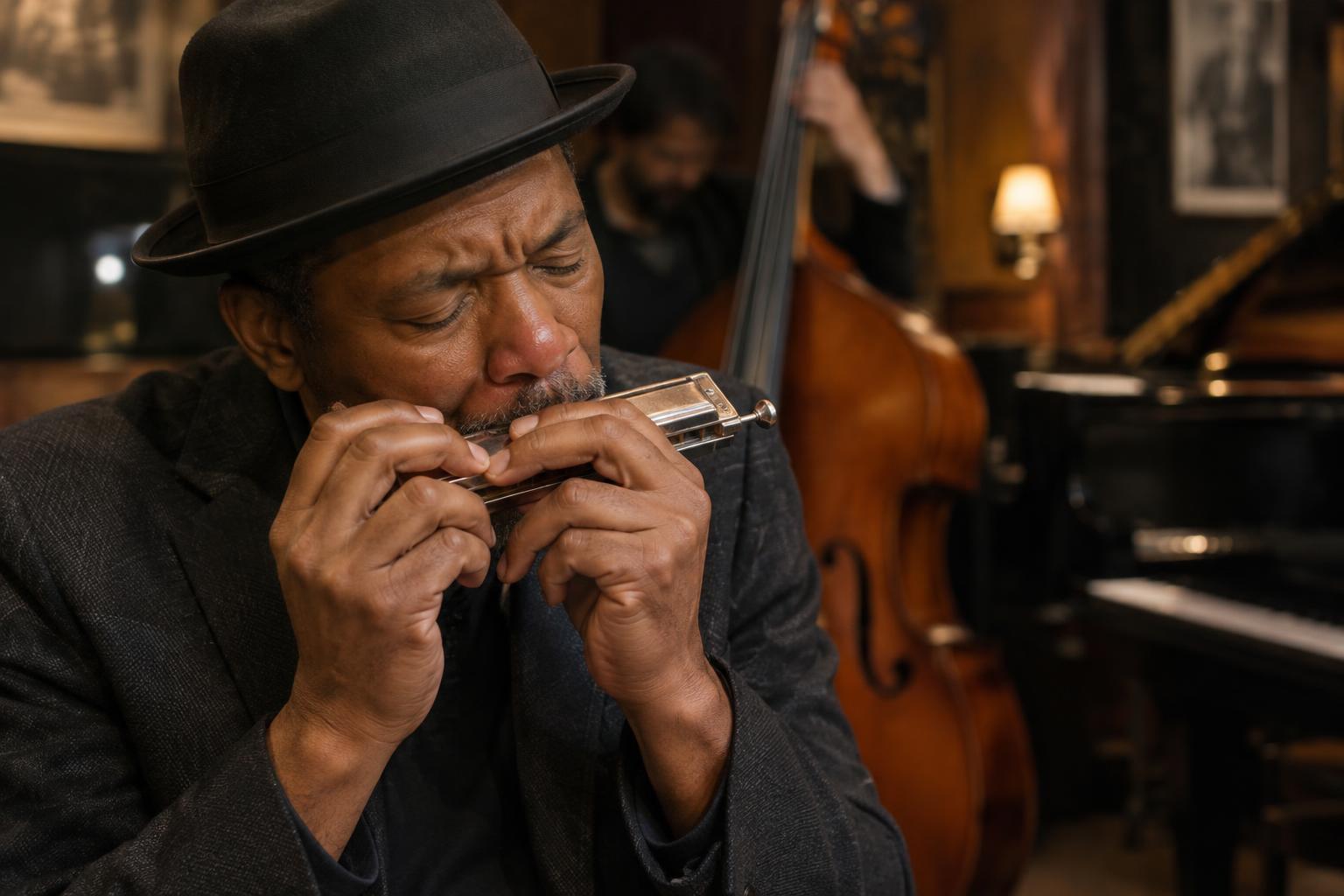
Before you go
Jazz clubs vary widely. One may be a small listening room with closely spaced tables; another may be a bar where music shares space with conversation. Before heading out, check the venue’s own information for the start time, reservation policy, age restrictions, accessibility, cover charge, and any food or drink minimum. A ticket might secure entry without assigning a particular seat. Knowing those details makes the door easier to navigate and lets you concentrate on the music.
Consider arriving before the advertised start time, especially if seating is first come, first served. You will have a chance to settle in, order if you want to, and read the room before the musicians begin. If you are going with friends, agree in advance that most conversation can wait for a break. You do not need to study jazz beforehand, though noticing the names of the performers can give you a starting point for later listening.
At the door and at your seat
At the entrance, a host may check a reservation or ticket, collect a cover, or direct you toward a seat. If you are unsure where to go, ask. Staff can usually explain the seating arrangement and whether the room expects orders at a table or a counter. If you have an access need, mentioning it on arrival can help staff point you toward a suitable route or seat, though it is best to contact the venue ahead of time when possible.
Once seated, take a moment to notice the layout. In a compact room, even a quiet conversation or a bright phone screen can reach performers and other listeners. Silence your phone, lower its brightness, and keep belongings out of walkways. You need not sit perfectly still: the aim is simply to give the music and the people around you some space.
What happens when a set begins
A jazz performance is often organized into sets, with a break between them, but the timing and number of sets depend on the venue and the band. Musicians may introduce tunes, or they may move straight from one piece to the next. Within a tune, listen for the melody, then for individual players taking turns in the foreground. The rhythm section may keep a steady pulse, shift the feel, or respond to a soloist in ways that make each performance distinct.
You do not need to identify every instrument or recognize every standard to participate as a listener. Pick one sound to follow for a few minutes: the bass line, the drummer’s cymbal pattern, or a phrase passed between players. If your attention drifts, return to the overall groove. Jazz often rewards that kind of relaxed attention more than an effort to decode every note.
Applause may come at the end of a solo as well as at the end of a tune. If you are uncertain, following the room is fine. Musicians generally leave enough space at a tune’s close for you to tell when the piece has finished.
Sharing the room
A listening-focused club may expect very little talking during a set, while a livelier venue may tolerate more background noise. Let the room’s tone guide you, and save longer conversations for the break. If you must step out, try to do so between tunes when practical. The same courtesy applies on your return: wait for a natural pause rather than squeezing past someone during a quiet passage.
Ask about the venue’s photo and recording rules before taking out a camera. Even where photos are allowed, flash and an illuminated screen can distract from the performance. If the sound feels too loud for comfort, moving farther from a speaker may help; bringing earplugs is also a reasonable choice. Enjoying live music should not require ignoring your own comfort.
The break, the final tune, and last call
Between sets, you can stretch, talk over what you heard, or check whether you need to settle a tab. Breaks are also a good time to ask a companion about a tune you liked. If musicians are available to chat, keep any question brief and be mindful that they may be resting or preparing to play again.
Near the end of the night, staff may announce last call for orders, while the band’s final tune and the venue’s closing time follow their own schedule. Do not assume last call means the music is over, or that you must stay until closing. When you are ready to leave, settle any bill, gather your things, and follow the venue’s guidance about exiting. If a tip is customary and within your means, you can ask staff how it is handled.
The best first visit is not a test of jazz knowledge. If you leave remembering one sound, one exchange between musicians, or one moment when the room fell quiet to listen, you have already found a way in.