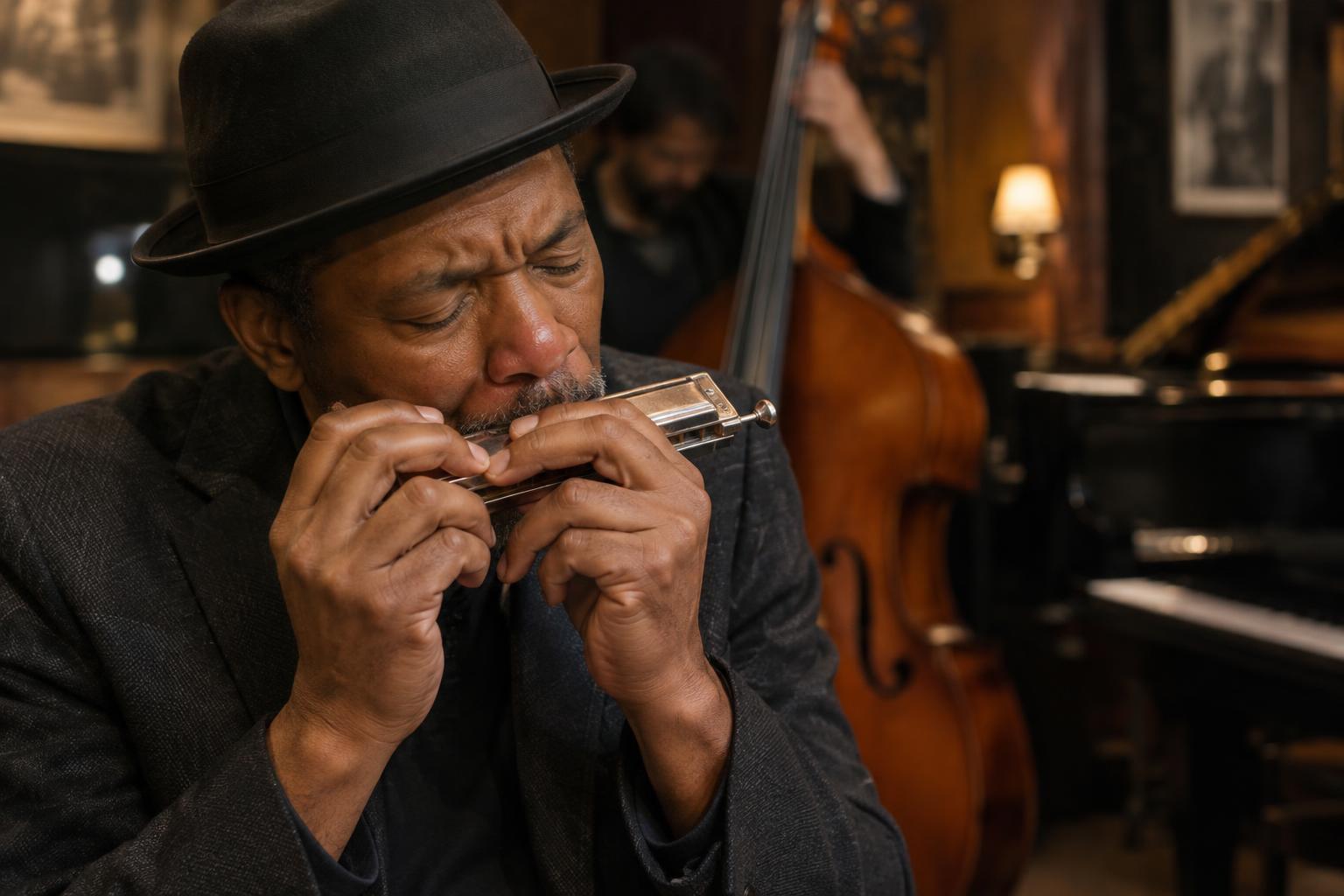
Why the price can have several parts
A jazz club is both a performance space and a place where people gather to eat or drink. That combination can make its pricing less obvious than a concert hall’s. One venue may sell tickets in advance, another may collect a cover charge at the door, and a third may do both while also requiring a food or drink purchase. These arrangements vary by venue, artist, night, and seating area, so the safest approach is to read the terms for the specific performance you want to attend.
It helps to separate the cost of admission from what you spend once seated. A ticket or cover generally pays for access to the performance; a minimum generally describes spending on food or drinks. Taxes, service charges, and tips may be additional. Knowing which amounts are separate makes it easier to plan your evening without being distracted by the bill during the music.
Tickets, covers, and reservations
A ticket is usually purchased ahead of time for a particular show or set. It may secure entry rather than a particular seat. Look for wording about assigned seating, general admission, standing room, and arrival deadlines. If a club offers several sets in one evening, a ticket for the early set should not be assumed to include the late one.
A cover charge is an admission fee, often paid at the door, though some clubs collect it when you book. A reservation is different: it may hold space without paying for admission in advance. Do not assume that a reservation is a free ticket, or that buying a ticket guarantees the table you prefer. If the listing is unclear, ask whether admission is included in the booking and how seating is assigned.
Also check the cancellation and no-show terms before committing. Some venues have limited room capacity and may release unclaimed seats after a stated time. Arriving early can give you time to settle in, order, and understand the layout before the musicians begin.
What a food or drink minimum means
A minimum is an amount you are expected to spend on eligible menu items. For example, if a club lists a per-person minimum, each guest may need to meet that amount in food or drinks in addition to paying admission. Other venues may apply a minimum per table or waive it in certain seating areas. The posted policy, not the word “minimum” alone, determines how it works.
Before booking, check whether the minimum applies per person or per table, whether it resets for each set, and which purchases count toward it. A service charge or tip may not count toward a menu minimum. If you do not plan to drink alcohol, ask whether nonalcoholic drinks or food qualify; there may be plenty of options, but it is better to know beforehand. If the menu is available, a quick look can help you decide whether the evening fits your budget.
Set times and the rhythm of the room
Jazz clubs often organize the night around sets rather than one continuous performance. A listing might show a door time, a music start time, and a later set. Those times serve different purposes: doors indicate when guests can enter, while the music time tells you when listening should take priority. A later set may require its own admission, even if you attended the first.
If you are meeting friends, agree on the set and arrival time rather than saying only “the show.” Confirm whether everyone needs an individual ticket and whether your group can be seated together. For a first visit, choose a schedule that leaves room to find the venue and order without rushing. A little planning makes the experience feel less like navigating rules and more like settling in to hear a band.
A short checklist before you book
Start with the total likely cost: admission for each guest, any minimum, and possible taxes, service charges, and tips. Then check what your payment actually secures: entry, a reservation, a seat, or a particular table. Finally, confirm the set you are attending, the arrival policy, and any age or accessibility information relevant to your group. If details are missing, a brief question to the venue is more useful than guessing.
Once inside, keep conversation low during the music, especially in a small room where voices carry. Ordering between songs or during a break, when practical, can make it easier for everyone to listen. Tickets and minimums may seem like administrative details, but understanding them beforehand frees you to focus on the reason you came: the sound of musicians responding to one another in the room.