Listen Before You Join
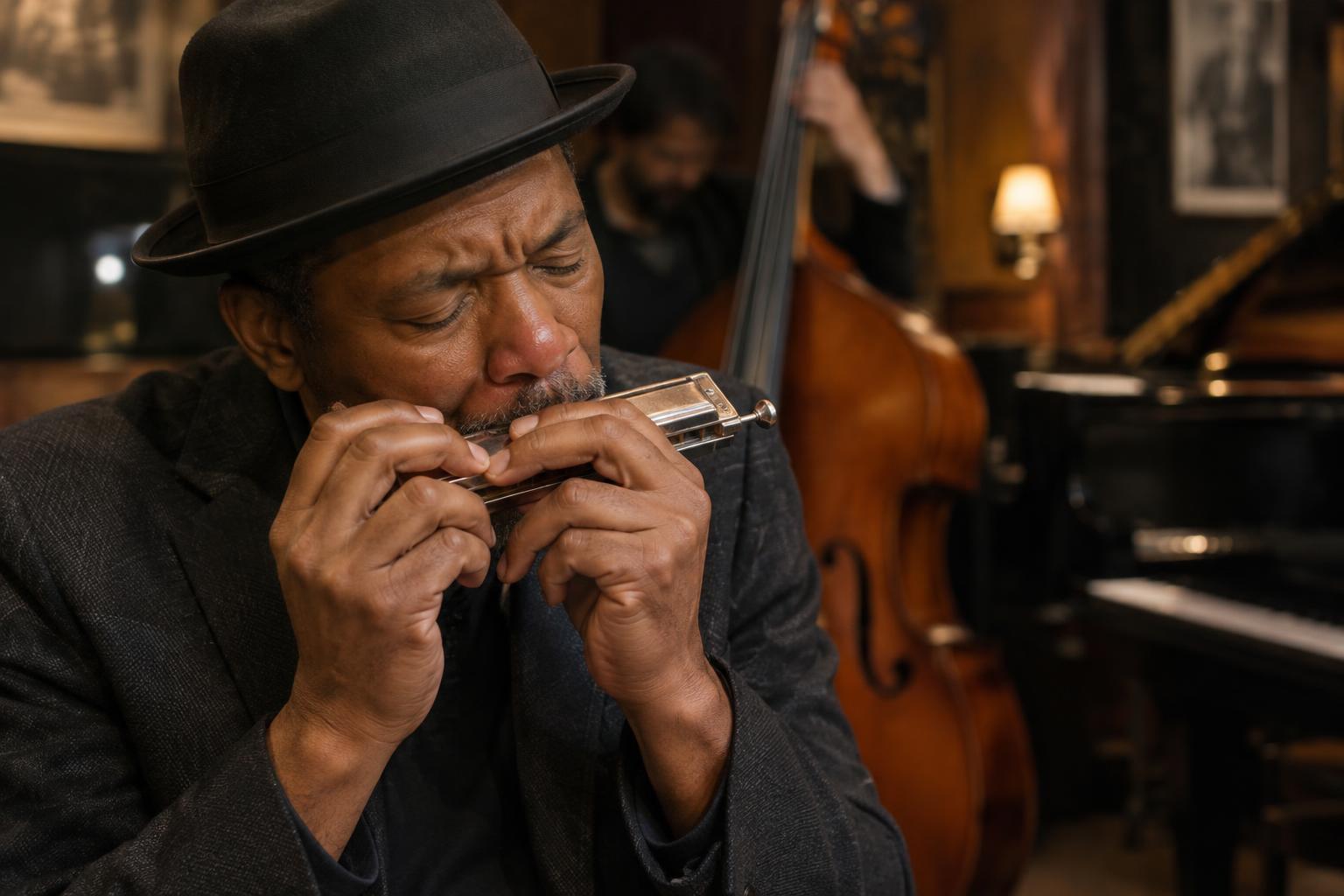
A jam session is a place to play with musicians you may not know, but it is not always an open invitation to walk onstage. Some sessions have a host who organizes players; others follow a looser pattern. Arrive with enough time to hear a few tunes. Notice whether the house band plays a full set first, how players are invited up, and whether newcomers speak to the host or add their names to a list.
When there is a break, introduce yourself briefly and say what you play. Ask how sitting in works rather than assuming the next tune is yours. If several people play your instrument, expect to take turns. Listening first also helps you choose a contribution that fits the room: a quiet ballad session may call for a different approach than a fast-moving blues jam. Being patient is part of participating.
Call a Tune the Band Can Start Together
If you are invited to choose a tune, pick one you can lead confidently. A familiar standard or blues is often easier to share with a new group than an obscure arrangement. Name the tune, state the key, and give a clear sense of the tempo and feel. If you want a particular intro or ending, explain it in a sentence before anyone starts. Keep the plan simple enough that the band can remember it while playing.
Do not assume everyone knows the same changes or recording. If a detail matters, clarify it politely. A singer should be ready to give a comfortable key and an audible cue for the opening. An instrumentalist calling the tune should be prepared to state the melody or count it off, rather than leaving the rhythm section to guess. If the group seems uncertain, choosing a simpler tune is usually better than turning the bandstand into a rehearsal.
Make Space During the Tune
A good jam is a conversation, not a sequence of auditions. Play the melody clearly enough to establish the tune, and pay attention to the musicians supporting it. When it is time for solos, look around and use a gesture or a verbal cue if the order is unclear. Keep your own chorus count in proportion to the tune, the number of players, and the time available. One focused solo can be more satisfying than several that leave others waiting.
Comping and accompanying deserve the same care as soloing. Leave room for the soloist, listen to the drummer and bassist, and adjust your volume to the ensemble. If two chordal instruments are present, they need not both fill every beat. When you are not playing, stay engaged so you can hear a cue to trade, return to the melody, or end. If a cue is missed, recover together without making the moment about blame.
Respect the Flow of the Bandstand
Session time is shared time. Have your instrument ready, keep setup changes brief, and step aside when your turn is over. If you hope to join a tune already in progress, wait for a clear invitation rather than adding yourself mid-chorus. The host may be balancing instruments, experience levels, and the length of the evening; a delayed turn is not necessarily a judgment of your playing.
Small courtesies make the music easier. Avoid talking over the host’s announcements or another player’s introduction. Keep drinks away from instruments and equipment, and ask before adjusting gear that is not yours. Thank the musicians you played with, especially those who helped you find your footing. If the room has customs you did not expect, follow them when you can and ask about them later.
Prepare Enough to Be Flexible
You do not need to know every tune to be welcome at a jam, but a short working repertoire helps. Practice melodies, forms, and common keys well enough to keep your place without relying on constant prompts. Be honest when you do not know a tune. You can listen, sit that one out, or ask whether another choice would suit the group. Bluffing through an unfamiliar form can make it harder for everyone to connect.
Preparation should make you more responsive, not more rigid. The band may take a tune at a different tempo or trade solos in an order you did not expect. Listen, adapt, and communicate simply. The aim is not to demonstrate everything you can play in one turn; it is to help a temporary group sound like a band. When musicians leave one another room to contribute, a jam session becomes rewarding for players and listeners alike.