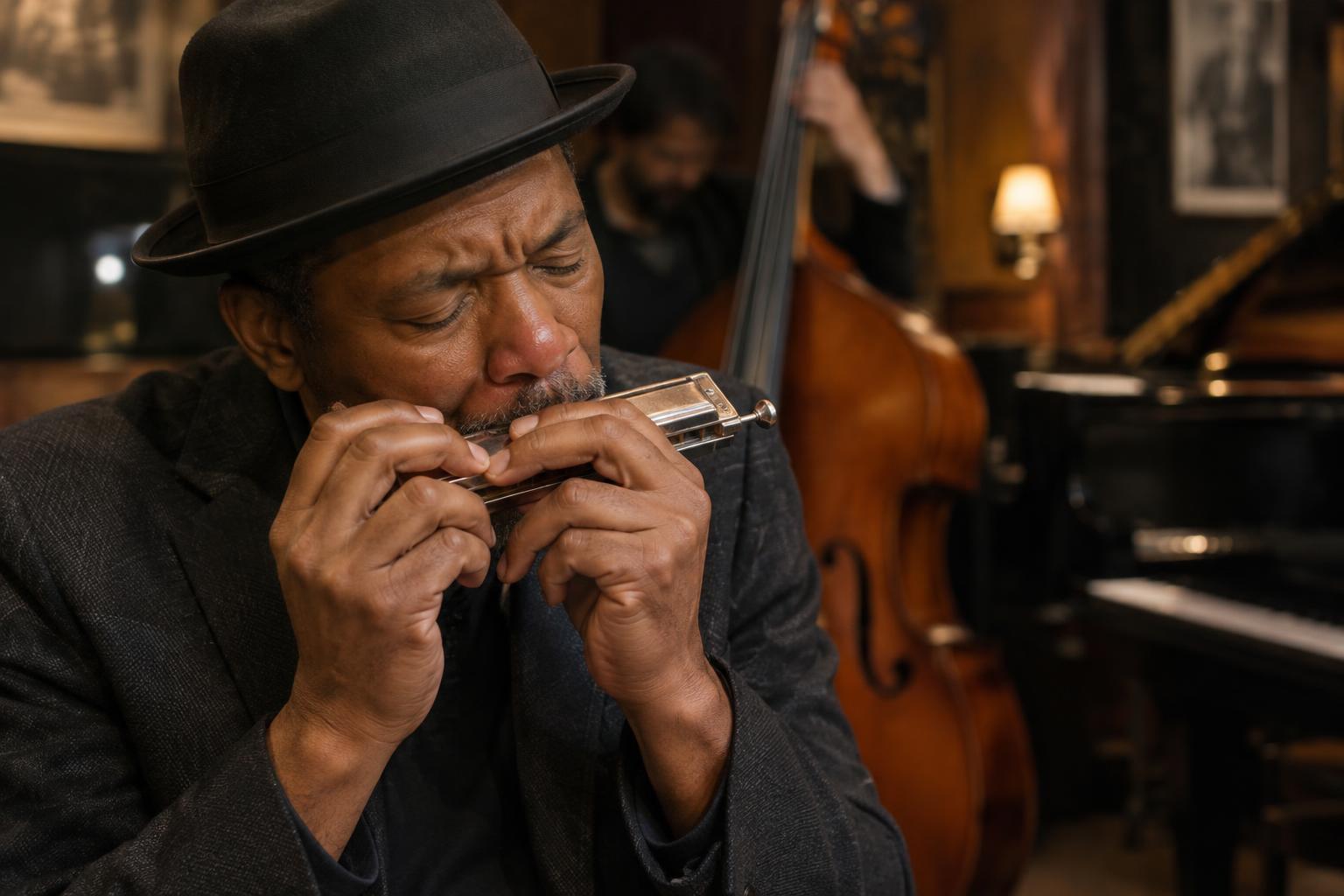
Why jazz can be louder than you expect
A jazz club may look intimate, but a small room can put you close to a drum kit, a horn bell, or a speaker. Sound also changes throughout a set. A brushed-ballad opening might give way to a forceful ensemble passage; an acoustic group might be joined by amplified keys or a vocalist. You cannot judge the whole evening by its first few minutes.
Protecting your hearing does not mean trying to make the music disappear. It means finding a comfortable level at which you can follow the bass line, hear the shape of a solo, and leave without feeling overwhelmed. Plan for the loudest passages, not just the average volume.
Bring earplugs you will actually use
A small pair of earplugs is easy to carry and gives you an option when the room gets loud. Basic foam plugs can be useful, but they may make the music sound muffled if inserted poorly or if their sound reduction feels too strong for the setting. Reusable, filtered earplugs are another option. Many listeners find that they preserve a more balanced impression of the band, though the result depends on fit, design, and the room.
Try your earplugs before the show rather than learning to use them during a solo. Follow the product’s fitting instructions, and check that each plug feels secure and comfortable. A plug sitting loosely in one ear may leave you with an uneven sound. If you wear them from the start, your ears have time to adjust, and you are less likely to remove them when the band grows louder.
Choose your spot with your ears in mind
Where you sit can change what you hear. A seat beside a loudspeaker or close to the drums may feel very different from one farther back. Horns can sound especially direct when their bells point toward you. If you can choose a place, look at the layout before settling in and avoid assuming that the front row offers the clearest musical picture.
A little distance can help you hear the group as a group. You may pick up more of the interplay between piano, bass, drums, and soloist when no single instrument dominates your seat. If the sound becomes uncomfortable, moving is a reasonable response. At a seated show, ask staff whether another spot is available; at a standing show, step away from the speakers and compare how the balance changes.
Take breaks without missing the point
Listening closely takes energy. Between sets, give your ears a break from loud conversation, background music, or headphones. At a longer performance, stepping into a quieter area for a few minutes can make it easier to return with fresh attention. You do not have to stay beside the band for every moment to value the experience.
Use comfort as a guide while the music is playing. If you find yourself wincing at cymbal hits or struggling to talk at a normal distance, put in your earplugs or move back rather than waiting for the next tune. Ringing, muffled hearing, or discomfort afterward are reasons to take the experience seriously. If symptoms persist or concern you, seek guidance from a qualified hearing professional.
Keep the focus on the music
Hearing protection works best when it is part of your concert routine, not a verdict on the band or venue. Keep earplugs in the same pocket as your ticket or keys. When you arrive, notice the speakers, the instruments, and the quieter places you could move to. Those small preparations leave you free to pay attention once the music starts.
Live jazz rewards that attention: a drummer easing behind a soloist, a bassist changing the feel of a phrase, or an ensemble finding its way back together. You do not need the loudest possible sound to catch those moments. A comfortable listening position and well-fitting protection can help you stay present for the whole set—and look forward to the next one.