Listen to the room before you ask
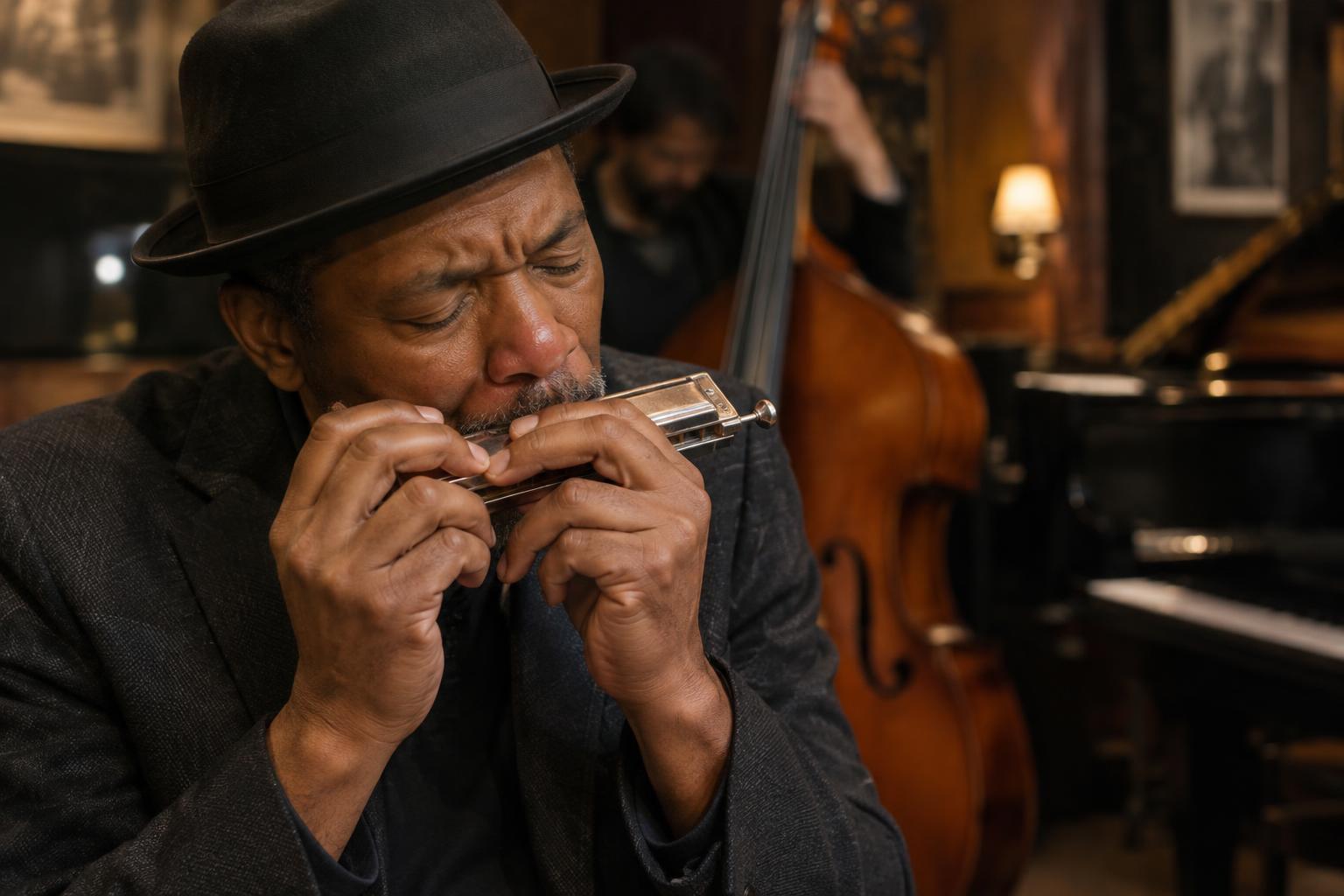
A jazz performance can feel conversational: musicians respond to one another, change direction, and sometimes speak with the audience. That openness does not mean a request fits at any moment. A tune may be moving toward its ending, a soloist may be building an idea, or the band may be listening closely for a cue. Calling out a song title during the music can break that concentration for performers and listeners alike.
Start by noticing the kind of show you are attending. A ticketed concert may have a planned program, while a relaxed club set might leave more room for audience suggestions. A jam session or a performance built around requests may work differently again. You do not need to know the band’s plan in advance; listening to how the musicians introduce tunes and interact with the room will give you clues.
Choose a natural pause
If you want to ask, wait until the music has stopped. Applause, an onstage introduction, or a break between sets creates a better opening than a quiet passage inside a tune. Even between songs, keep an eye on what is happening: musicians may be counting off the next number, adjusting equipment, or conferring about the set. A pause is an opportunity to ask, not a guarantee that they are free to talk.
A set break may offer the least disruptive chance to approach, provided the musicians are available and the venue allows it. Give them space if they are eating, speaking with someone else, or heading backstage. You can also ask a staff member whether requests are welcome, but avoid making staff responsible for delivering your message. If there is no comfortable opening, it is perfectly fine to leave the request unmade.
Make the request brief and easy to decline
A good request sounds like an invitation rather than an instruction: “If it fits your set, I’d love to hear ‘Autumn Leaves.’” Name the tune clearly, then stop. You do not need to explain why it matters to you unless the musician asks. A brief, warm exchange lets the band decide whether the piece suits its lineup, mood, and remaining time.
Try not to demand a particular arrangement or insist that the band play it immediately. Jazz musicians may know several versions of a tune, or they may not have rehearsed one together at all. A trio without a singer, for example, might approach a familiar vocal standard as an instrumental—or choose not to play it. A request should leave room for that artistic judgment, including a simple no.
Respect the set the musicians came to play
Some bands draw on a broad repertoire of standards; others perform original music, focus on one composer, or shape an entire set around a particular sound. A familiar song may be out of place even if every musician knows it. If the group has announced a theme, treat that as part of the performance you came to hear, not a hurdle to overcome.
Avoid repeating a request after it has been declined or ignored. Do not rally nearby listeners to call it out, and do not assume that buying a drink or leaving a tip obliges anyone to play it. Enthusiastic applause is a welcome way to show appreciation; pressure can make an otherwise friendly exchange uncomfortable. The band may remember your interest without changing the set.
Enjoy what happens next
If the musicians do play your suggestion, listen for what they make of it rather than measuring it against the version in your head. They might change the tempo, pass the melody between instruments, or leave space for a solo you did not expect. That freedom is part of the pleasure of hearing jazz live. A smile and applause are enough acknowledgment; you do not need to call out directions while they play.
If they do not play it, stay curious. The next tune could introduce you to a composer, rhythm, or musical idea you would never have requested. After the set, you can thank the musicians for the performance without bringing up the song again. A considerate request offers a possibility, while giving the band and everyone else in the room the space to enjoy the music already unfolding.