Start with the kind of listening you want
Choosing a jazz show is not only about choosing a musician. The room shapes what you hear and how you take part. A small club may put you close enough to notice a drummer’s subtle shifts in touch. A concert hall may give a large ensemble room to build a carefully paced performance. An outdoor show can make jazz part of a relaxed afternoon with friends. None is the definitive way to hear the music; each invites a different kind of attention.
Before buying a ticket, ask what you want from the outing. Are you eager to follow every solo, or would you rather enjoy music as part of a social gathering? Do you want a guaranteed seat, freedom to move around, or a chance to sit near the players? Those answers are more useful than assuming one type of venue always sounds better.
Choose a club for closeness and conversation with the room
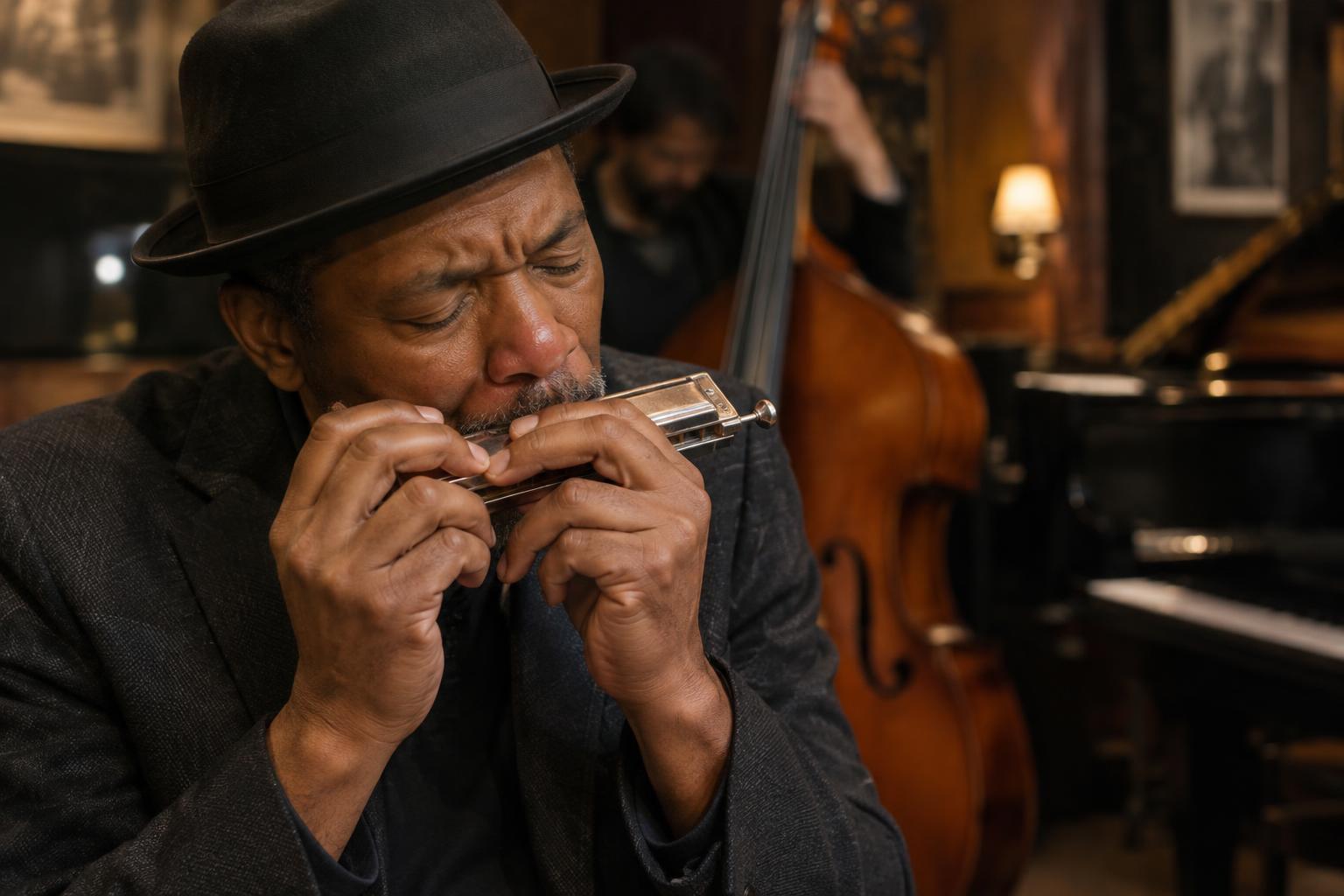
A jazz club often suits listeners who enjoy a sense of proximity. In a compact space, you may hear details such as a bassist’s attack or the way a pianist answers a horn phrase. The audience’s attention can also become part of the atmosphere: a quiet passage may draw the room in, while a lively solo may prompt an immediate response. If you are new to jazz, that shared energy can make improvisation feel less abstract.
The trade-off is that clubs vary widely in layout and expectations. Some center the performance; others also operate as busy bars or restaurants. Check whether your ticket reserves a seat, whether there is a minimum purchase, and when doors open. If you hope to listen closely, look for a table or seat away from entrances and service areas when possible. Leave room for the venue’s etiquette, too: keep conversation low during a set, even if the space feels casual.
Choose a concert hall for a more focused presentation
A concert hall can be a strong choice when you want to settle in and give the music your full attention. Assigned seating and a defined start time make the evening relatively easy to plan. The setting may be especially appealing for a large ensemble, a program built around extended compositions, or a performance where you want to take in the whole group rather than focus on individual players at close range.
Distance from the stage changes the experience, but a seat farther back is not necessarily a poor one. It may offer a clearer view of how the players work together. When selecting seats, consider whether seeing hands and faces matters to you, as well as any accessibility needs. Review the venue’s policy on late entry and breaks: a formal presentation may offer fewer opportunities to move around than a club set. Concert-hall audiences can be enthusiastic, but it helps to follow the performers’ cues before applauding in a quiet passage.
Choose an outdoor show for flexibility and a shared outing
Outdoor jazz can be welcoming if you are going with people who have different levels of interest in the music. There may be space to spread out, step away briefly, or enjoy several acts over a longer visit. The open setting can give an energetic band a festive feel. It can also be a comfortable introduction for someone who finds a hushed room intimidating.
Outdoors, the practical details have a greater effect on listening. Wind, nearby activity, weather, and your distance from the sound system may all change what you hear. Check whether seating is provided or permitted, what you may bring, and whether the event has a weather plan. If listening closely is your priority, arrive with enough time to find a spot with a clear view and comfortable sound. If conversation and company matter just as much, a place farther from the stage may suit your group better.
Match the venue to this particular performance
Venue type is a useful guide, not a promise. A quiet duo in a club may call for intense attention, while a big band in the same room may feel exuberant. A concert hall can host intimate music, and an outdoor audience can become remarkably attentive. Read the event description for the lineup, number of sets, seating arrangement, and any notes about the program. These details tell you more than the venue label alone.
For a simple decision, pick your top two priorities. If they are closeness and spontaneity, try a club. If they are a reliable seat and uninterrupted listening, consider a concert hall. If they are flexibility and a relaxed group outing, look at outdoor shows. Then check the essentials—total cost, travel, accessibility, start time, and venue policies. The best choice is the one that lets you arrive comfortable enough to listen with curiosity.